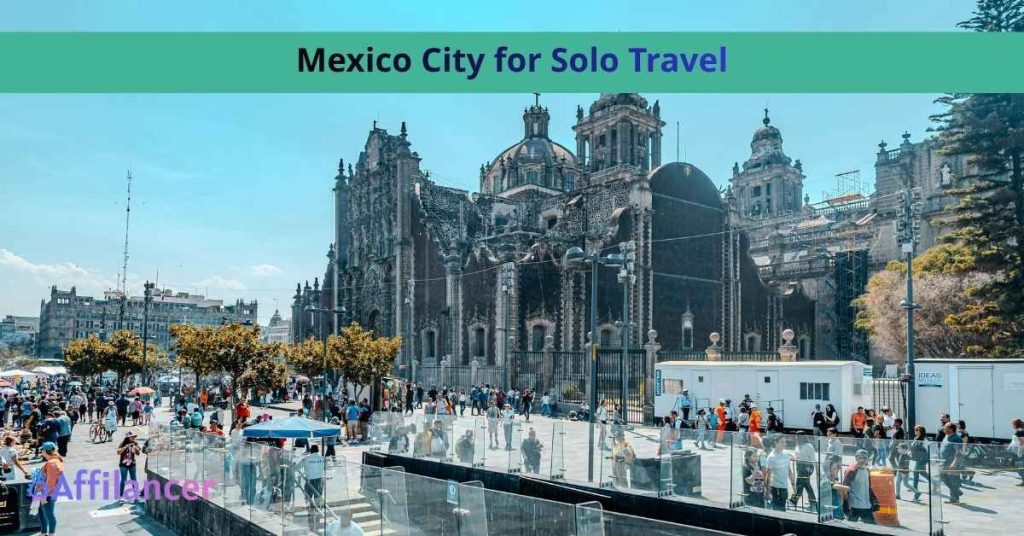
Mexico City is one of the most vibrant capitals in the world. It is a massive hub of art, history, world-class architecture, and some of the best street food you will ever taste. Yet, whenever people discuss visiting this sprawling metropolis alone, safety is always the very first question that comes up.
Is Mexico City safe for solo travel?
The short answer is yes. It is highly safe for solo travelers if you follow the same common-sense safety rules you would use in any other major global city. However, because it is an enormous urban area home to over nine million people, safety dynamics can change drastically from one city block to the next.
When I first planned my solo trip to this beautiful capital, my close friends and family expressed a lot of concern. As an experienced traveler, I, Thouhidul Islam, knew that mainstream media headlines often paint a distorted picture of an entire country based on isolated incidents. During my extended solo stay in Mexico City, I explored crowded street markets, used public transit daily, and walked through dozens of diverse neighborhoods. My personal experience confirmed that with the right preparation and local awareness, you can navigate this city with total confidence.
This comprehensive guide will break down everything you need to know to stay safe, choose the right neighborhoods, and get the most out of your solo journey.
Understanding the Reality: What the Advisories Mean
When you look up travel advisories on government websites, the warnings can look quite intimidating. For example, the U.S. State Department currently assigns Mexico City a Level 2 Travel Advisory, which instructs travelers to “Exercise Increased Caution.”
To put this into perspective, let’s look at how this official ranking compares to other famous global destinations.
| Destination | U.S. State Department Advisory Level | Primary Reason for Ranking |
| Mexico City, Mexico | Level 2: Exercise Increased Caution | Petty crime and pickpocketing |
| Paris, France | Level 2: Exercise Increased Caution | Civil unrest and petty theft |
| London, United Kingdom | Level 2: Exercise Increased Caution | Potential for sudden demonstrations |
| Rome, Italy | Level 2: Exercise Increased Caution | High rates of tourist pickpocketing |
As the data shows, Mexico City sits at the exact same warning level as major European tourism hubs. The main risk in the capital is not violent cartel crime—which rarely targets tourists—but rather opportunistic petty theft. Pickpocketing, phone snatching, and minor scams are the most common issues you might face. By understanding that your primary goal is simply to prevent petty theft, you can adjust your daily habits accordingly.
The Neighborhood Guide: Where to Stay and Where to Avoid
Safety in Mexico City depends heavily on geography. Expats and frequent visitors often talk about “the bubble.” This term refers to a specific cluster of neighborhoods that are heavily policed, highly walkable, and exceptionally welcoming to international visitors.
The Safest Neighborhoods for Solo Travelers
If you are traveling alone, I highly recommend booking your accommodation or hostel in one of these secure zones:
-
Roma Norte and Roma Sur: This is the artistic heart of the city. The streets are lined with beautiful historic buildings, trendy cafes, and leafy local parks. It hosts a massive community of digital nomads and travelers, making it incredibly easy to blend in and meet people.
-
La Condesa: Located right next to Roma, Condesa is a lush, green neighborhood centered around Parque México and Parque España. It is incredibly safe to walk through during both the day and night. You will constantly see locals jogging, walking dogs, and dining outside.
-
Polanco: This is the upscale, luxury district of Mexico City. It resembles Beverly Hills or parts of Madrid. It features high-end shopping, international embassies, and top-tier private security. While it is incredibly safe, it feels less traditional and is significantly more expensive.
-
Coyoacán: Located in the southern part of the city, this historic, bohemian neighborhood is famous for the Frida Kahlo Museum. It features cobblestone streets and a peaceful, small-town atmosphere. It is very safe, though it sits a bit farther away from the central tourist sights.
-
Juárez and Cuauhtémoc: These neighborhoods run directly alongside the famous Paseo de la Reforma avenue. They are corporate, modern, and very well-monitored by local police units.
Neighborhoods to Avoid As a Solo Traveler
While exploring is fun, there are certain areas that carry a much higher risk of violent crime, robbery, and targeted scams. As a solo traveler, you should avoid entering these zones unless you are accompanied by a trusted, certified local guide:
-
Tepito: Known locally as the “fierce neighborhood,” Tepito is home to a massive open-air black market. It experiences high rates of gang activity and daytime armed robberies.
-
Doctores: While it sits right next to the trendy Roma district, parts of Doctores become highly dangerous after dark. Petty crime and vehicle theft are major issues here.
-
Iztapalapa: This is a vast residential area in the eastern section of the city. It has high local crime rates and offers virtually no tourist infrastructure.
-
La Merced and Lagunilla: These areas host incredible, massive markets during the day, but they are notorious for highly professional pickpockets and quick distraction scams.
How to Get Around Mexico City Safely
Navigating a mega-city can feel overwhelming at first. Fortunately, Mexico City has an excellent transit network and highly affordable ridesharing choices. Here is how I handled transportation to keep my safety risks to an absolute minimum.
1. Use Ridesharing Apps (The Best Option)
Ridesharing is easily the safest way to travel around the city, especially at night. Apps like Uber and DiDi operate continuously and reliably throughout the metropolis.
Whenever I needed to return to my accommodation after dark, I never walked alone on empty streets. I simply opened my app and called an Uber. The rides are affordable, tracking is built into the app, and you do not have to worry about cash transactions or language barriers with the driver.
2. Avoid Hailing Street Taxis
Never hail a random taxi off the street. While many street taxi drivers are honest, hardworking individuals, some unregistered cabs run scams on tourists. These include overcharging or taking intentionally longer routes to inflate the price. If you absolutely cannot use a ridesharing app, look for an official taxi stand called a Sitio. These are authorized, monitored taxi hubs located outside major bus stations, hotels, and shopping malls.
3. Use Public Transit with Caution
The Mexico City Metro and Metrobus networks are efficient and cost next to nothing. Millions of locals use them every single day. However, they get incredibly crowded during rush hours, which creates the perfect environment for pickpockets to operate.
If you choose to use the train system, always keep your backpack on your front. Never put your phone or wallet in your back pocket. For solo female travelers, both the Metro and Metrobus offer dedicated women-only cars at the front of the vehicles. These sections are strictly enforced by station guards and offer a comfortable, highly secure environment during busy transit hours.
Practical Safety Tips Every Solo Traveler Needs
To protect your belongings and enjoy your trip without constant stress, incorporate these basic daily habits into your travel routine.
Keep Your Phone Secure
Phone snatching is the most common petty crime in the city. Thieves look for travelers standing near street curbs holding their phones loosely while checking maps.
When I needed to look up directions, I stepped inside a cafe, a retail store, or moved away from the edge of the sidewalk before pulling my phone out of my bag. Always hold your device with a firm grip.
Dress to Blend In
Mexico City is a stylish, cosmopolitan capital. Locals rarely wear shorts, flip-flops, or athletic beachwear unless they are actively working out. To avoid sticking out as an easy target for scammers, pack casual but smart clothing. Jeans, long pants, clean sneakers, and casual shirts are the standard look here. Leave your expensive jewelry, luxury watches, and flashy designer items at home.
Manage Your Cash and Cards
Do not carry all your money with you during the day. Keep your backup credit card and extra cash locked securely inside your hotel room safe. When you need to withdraw cash, only use ATMs located inside a physical bank branch during daylight hours. Avoid standalone ATMs on the open street, as they can be fitted with card-skimming devices.
Carry a Crossbody Bag
A secure bag makes a massive difference for your peace of mind. Choose a sturdy crossbody bag with strong zipper closures and wear it across the front of your body. In highly crowded areas like the Zócalo (the main historic square), place your hand over the zipper mechanism to prevent anyone from opening it unnoticed.
Environmental and Health Safety
When discussing travel safety, people often forget about environmental factors. Mexico City presents two unique health challenges that you must prepare for before you land.
1. The Altitude
Mexico City sits at an elevation of roughly 7,350 feet (2,240 meters) above sea level. This high altitude means the air is significantly thinner than what most travelers are used to.
On my first two days in the city, I noticed that I felt tired quickly and experienced mild headaches. This is a completely normal reaction to the altitude change. To manage this, give your body a couple of days to adjust. Drink plenty of water, limit your alcohol consumption during your first 48 hours, and avoid overexerting yourself physically.
2. Tap Water Safety
The tap water in Mexico City is not safe for human consumption. Locals do not drink it, and you should definitely not either. Always purchase bottled water or use a high-quality water purification bottle.
When dining out, it is perfectly safe to consume ice and raw vegetables at established restaurants, as they use purified water by law. If you are eating street food, simply check that the stall looks clean, organized, and has a high turnover of local customers.
Is Mexico City a good solo travel destination?
Yes, Mexico City stands as an outstanding destination for solo travelers. The capital delivers an incredible mix of world-class food, rich art, centuries of history, and walkable central neighborhoods. You will find exceptional value, warm hospitality, and a thriving community of international visitors.
Before booking your trip, visualize the architectural splendor awaiting you in the historic center.
The Palacio de Bellas Artes showcases the city’s commitment to public art and grand architecture. Solo travelers can wander through its marble halls and admire massive murals by Diego Rivera at their own pace.
Why Mexico City Excels for Solo Travelers
-
Solo-Friendly Dining Culture: You never need to feel awkward eating alone here. Taco stands, markets, and outdoor cafés welcome single diners every day.
-
World-Class Attractions: The city houses over 150 museums. Visiting heavyweights like the National Museum of Anthropology alone lets you explore every exhibit without rushing.
-
Budget-Friendly Transport: Uber and DiDi operate seamlessly across central areas for a fraction of typical European or American rates.
-
Easy Social Connections: Food tours, group bike rides, and co-working cafés make meeting fellow travelers effortless.
Top Neighborhoods for Solo Visitors
| Neighborhood | Vibe & Highlights | Best For |
| Roma Norte & Condesa | Tree-lined streets, sidewalk cafés, art galleries, and leafy parks | First-time solo travelers and digital nomads |
| Polanco | High police presence, luxury shopping, upscale dining, and clean avenues | Travelers prioritizing maximum security and high-end comfort |
| Coyoacán | Cobblestone roads, colonial plazas, and the Frida Kahlo Museum | Quiet mornings, culture trips, and art lovers |
| Centro Histórico | Bustling plazas, grand cathedrals, and ancient ruins | Daytime museum hopping and landmark tours |
Smart Habits for a Safe Solo Trip
-
Use Ride-Hailing Apps: Order an Uber or DiDi for night trips instead of flagging street cabs.
-
Stick to Purified Water: Drink bottled water at hotels and restaurants to avoid stomach trouble.
-
Guard Your Pockets: Keep your phone and wallet inside zipped front pockets or a cross-body bag when walking through crowded markets.
-
Book Major Sight Tickets Early: Reserve entry slots for popular spots like Casa Azul weeks before arrival.
-
Choose Central Lodging: Book your stay in Roma Norte, Condesa, or Polanco for optimal evening foot traffic and secure streets.
Final Thoughts
So, is Mexico City safe for solo travel? Yes, it absolutely is. If you stay within the well-traveled neighborhoods, use ridesharing apps at night, and keep a close eye on your personal belongings, you will have a wonderfully safe experience.
Do not let fear prevent you from discovering this magnificent destination. The locals are incredibly welcoming, the culture is mesmerizing, and the history is deeply enriching. Approach your trip with proper preparation, use your everyday street smarts, and enjoy the incredible solo adventure that awaits you.