Travel opens our minds and creates unforgettable memories. However, planning a trip can quickly feel overwhelming if you don’t know where to start.
I’m Thouhidul Islam, and I’ve spent years exploring destinations around the world. Over time, I’ve learned that successful journeys rely on smart planning, not luck. I built this travel guide thestripestraveling to share my personal strategies. These steps will help you save money, stay safe, and enjoy every moment of your vacation.
How to Choose Your Destination Safely
Picking a travel spot involves more than just looking at beautiful photos on social media. You need to consider the season, your budget, and safety.
When I plan my trips, I always check official safety updates. For example, the U.S. Department of State provides reliable, real-time travel advisories for every country. Checking these resources helps you avoid unexpected political issues or severe weather events.
Also, keep peak travel seasons in mind. Visiting a popular spot during the “shoulder season”—the sweet spot between peak and off-peak times—offers a perfect balance. You will enjoy lower prices and fewer crowds while still experiencing great weather.
Smart Budgeting and Financial Strategies
One common mistake is tracking only big expenses like flights and hotels. Small, hidden costs can drain your funds faster than you think.
In my experience, a successful trip budget separates fixed costs from variable daily spending. I always recommend setting aside an extra 15% of your total budget strictly for emergencies.
The table below shows how to categorize your travel expenses to avoid surprises:
| Expense Category | What It Covers | How to Save |
| Fixed Costs | Flights, accommodation, travel insurance | Book 2 to 3 months early. Use tracking tools to catch price drops. |
| Variable Costs | Food, local transport, museum tickets | Eat at local markets away from tourist hubs. Use public trains or buses. |
| Emergency Fund | Medical needs, lost items, missed rides | Keep these funds in a separate account or carry a small amount of backup cash. |
Master Your Packing with an Essential Checklist
Overpacking is a heavy burden. It slows you down at the airport and makes moving between locations incredibly frustrating.
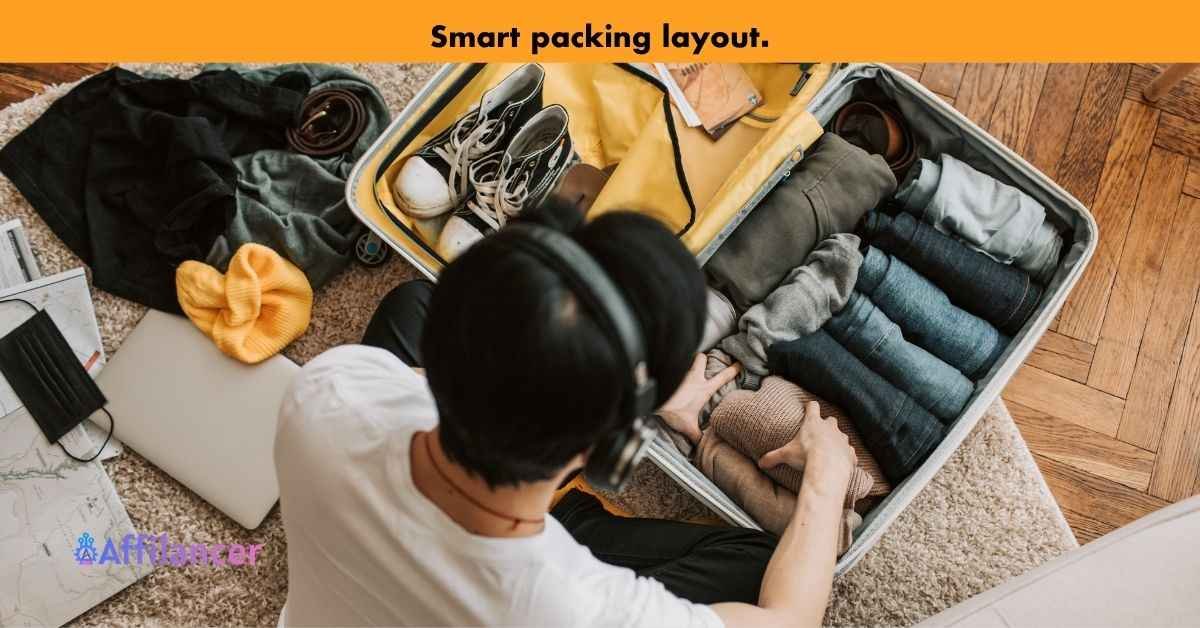
As you can see in the layout above, organizing your items ahead of time keeps your baggage light and structured. I always use packing cubes to separate my clothes by day or type. This simple habit keeps my suitcase perfectly organized throughout the journey.
Here is my personal minimalist checklist for a one-week trip:
-
Documents: Passport, visa copies, insurance cards, and printed hotel confirmations.
-
Electronics: Phone, camera, universal travel adapter, and a portable power bank.
-
Clothing: Five versatile outfits that layer easily, plus one lightweight jacket.
-
Toiletries: Travel-sized toothbrush, toothpaste, solid shampoo, and a basic first-aid kit.
How to Handle Your Final Travel Logistics
Once your bags are packed and your budget is set, you need to tie up a few loose ends.
First, notify your bank about your travel dates. If you use your credit card in a new country without warning them, they might lock your account for suspicious activity. I experienced this firsthand, and resolving a frozen card from abroad is highly inconvenient.
Second, secure reliable travel insurance. Organizations like the World Health Organization emphasize that medical costs abroad can be incredibly high. A good insurance policy protects you from major financial loss if you get sick or injured.
Planning a trip doesn’t have to be stressful. By taking these practical steps, you can focus entirely on the joy of exploring new places.