

You step off a long-haul flight. Your body feels exhausted, your head feels heavy, and your stomach is completely confused about whether it wants breakfast or dinner.
Jet lag is a physical response to crossing multiple time zones in a short period. It severely disrupts your internal biological clock, leaving you completely drained when you need to stay awake and wide awake when you desperately need to sleep.
My name is Thouhidul Islam. As an active business owner and frequent global traveler, managing different time zones is a regular part of my professional life. I have transitioned across various continents for high-stakes business meetings, dealing firsthand with severe circadian disruptions. Through extensive trial, error, and scientific research, I have developed a reliable recovery routine that works.
This guide outlines practical, science-backed behavioral adjustments and medical insights to help you manage jet lag effectively and get back on track.

What Causes Jet Lag?
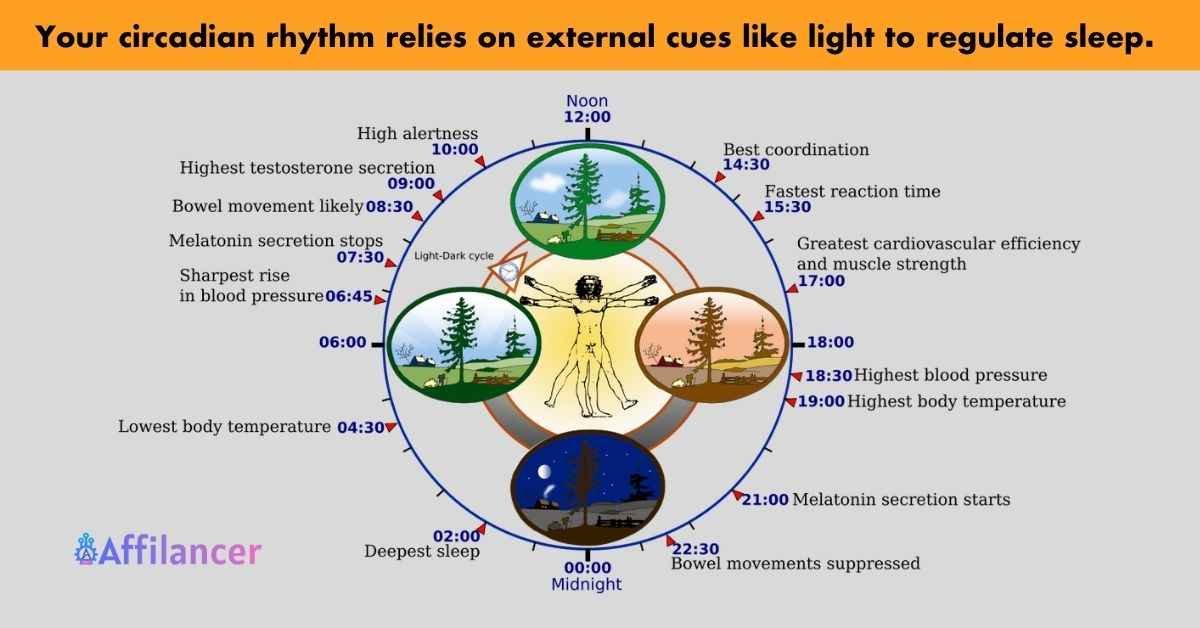
Your body functions on a natural 24-hour cycle called a circadian rhythm. This internal clock regulates everything from your sleep-wake patterns and hormone release to your core body temperature.
When you fly across several time zones, your body remains aligned with your departure point. According to researchers at the Mayo Clinic, your internal clock simply cannot reset instantly. This temporal mismatch causes the classic physical symptoms of jet lag: chronic fatigue, brain fog, irritability, and digestive issues.
The direction of your travel also dictates how hard your body has to work to adapt. Traveling east forces you to wake up earlier, which is generally harder for the body to accommodate. Traveling west extends your day, giving your internal clock more natural time to adjust.
Direct Strategies to Handle Jet Lag Upon Arrival
Managing jet lag effectively requires deliberate action the moment your flight lands. Below are the core steps I use to accelerate my own recovery.
1. Control Your Exposure to Light
Light is the primary environmental cue that controls your biological clock. Managing your light exposure tells your brain precisely when to release or suppress melatonin—the hormone responsible for drowsiness.
-
Morning Light: If you travel east, seek bright morning light. This exposure advances your internal clock, helping you wake up earlier.
-
Evening Light: If you travel west, gather light exposure in the late afternoon. This delays your clock, helping you stay awake longer.
2. Stay Hydrated
Airplane cabins maintain extremely low humidity levels, usually under 20%. This dry environment causes rapid dehydration, which directly intensifies jet lag symptoms like headaches, brain fog, and muscle fatigue.
Drink water consistently throughout your flight and during your first few days at your destination. Avoid alcohol and heavy caffeine intake while in the air. While these drinks are tempting, they disrupt your REM sleep cycles and worsen dehydration.
3. Adopt the Local Schedule Immediately
Switch your watch to the local time zone as soon as you board the aircraft. Once you arrive, force yourself to eat your meals according to the local clock, even if you are not particularly hungry.
If you land at 2:00 PM and feel exhausted, avoid the temptation to crawl into bed. Force yourself to stay awake until at least 9:00 PM local time. This method helps anchor your circadian rhythm to your new environment much faster.
Managing Your Sleep Environment
Creating an optimal sleep environment is vital when trying to force a reset of your body clock. If your room is too bright or noisy, your body will struggle to stay in a deep, restorative sleep state.
Use blackout curtains to block out daylight completely. If your accommodation lacks proper curtains, wear a comfortable, high-quality sleep mask.
Keep the bedroom temperature cool, ideally between 60°F and 67°F (15°C to 19°C). Studies by the National Sleep Foundation show that a cooler body temperature signals the brain that it is time to rest, making it much easier to fall asleep.
Strategic Supplementation and Medical Options
Sometimes, behavioral changes need a little extra support. If you are struggling to adjust to a drastic time difference, specific supplements can ease the transition.
Melatonin Supplements
Melatonin is the natural hormone your body produces to signal that it is time for sleep. Taking a low-dose melatonin supplement can artificially signal your body that night has arrived.
According to clinical studies published by the Cochrane Database of Systematic Reviews, taking between 0.5 mg and 5 mg of melatonin at bedtime is highly effective at reducing jet lag symptoms for travelers crossing five or more time zones. Take the supplement roughly 30 minutes before your target bedtime in the new time zone.
Short-Term Sleep Aids
For severe cases, a doctor may prescribe short-term sleep medications. These drugs can help you rest during your first two or three nights in a new country. However, keep in mind that they do not cure jet lag or reset your internal clock. Use them cautiously, as they can cause dependency or morning grogginess.
Jet Lag Recovery Checklist
To help organize your next trip, here is a quick summary of the steps you should take before, during, and after your flight.
| Timeline | Action Step | Purpose |
| 3 Days Before | Shift bedtime 1 hour closer to destination time | Pre-adjusts internal clock |
| During Flight | Drink 8 ounces of water per hour; avoid alcohol | Prevents dehydration symptoms |
| Upon Arrival | Spend 30 minutes outside in natural sunlight | Resets circadian rhythm |
| First 2 Nights | Take 1-3 mg of melatonin 30 minutes before bed | Signals brain to sleep |
| Daytime Routine | Perform light exercise or walking | Boosts daytime alertness |
Managing Nutrition and Digestion
Jet lag does not just affect your brain; it impacts your gut as well. Your digestive system follows its own peripheral biological clock. When you cross time zones, your stomach continues to secrete digestive acids based on your old schedule, which can cause indigestion, constipation, or sudden hunger pangs at midnight.
Eat Light Meals
During your first 48 hours, stick to light, easily digestible meals. Focus on lean proteins, whole grains, and fresh vegetables. Avoid heavy, greasy foods late at night, as they force your digestive tract to work harder, which severely disrupts your sleep quality.
Use Caffeine Strategically
Caffeine is a useful tool to maintain alertness, but it requires careful timing. A small cup of coffee in the morning can help you stay awake and functional.
However, avoid all caffeine after 2:00 PM local time. Caffeine has a half-life of roughly 5 to 6 hours, meaning half of the stimulant remains in your bloodstream well into the evening, preventing your body from entering deep rest.
The Role of Physical Activity
Exercise is another powerful environmental cue that influences your internal clock. Engaging in light physical activity helps signal alertness to your body and accelerates recovery.
Go for a brisk 20-minute walk outside in the morning or early afternoon. The combination of muscle movement and natural sunlight speeds up your adaptation process.
Just avoid intense, heavy workouts within three hours of your intended bedtime. Intense exercise raises your core body temperature and spikes cortisol levels, making it incredibly difficult to unwind when you finally hit the pillow.
Common Mistakes to Avoid
Many travelers inadvertently prolong their jet lag by making easily preventable errors during their recovery phase.
-
Taking Long Daytime Naps: If you must nap, keep it under 20 minutes. A long afternoon nap prevents you from falling asleep at night, locking you into a frustrating cycle of daytime fatigue.
-
Staying Indoors: Spending your first day inside a hotel room or office building deprives your eyes of the light signals needed to shift your biological clock.
-
Relying Entirely on Stimulants: Using energy drinks or sleeping pills excessively creates an artificial cycle of highs and lows, which only delays your true biological adjustment.
Summary of Recovery Steps
Dealing with jet lag requires patience and a structured approach. By actively managing your light exposure, maintaining strict hydration, adjusting your meal times immediately, and setting up a cool, dark sleep environment, you can reduce your recovery time significantly.
Plan your adjustments based on your travel direction, use melatonin if necessary, and avoid long daytime naps. Your body will adapt to the new time zone within a few days, allowing you to focus fully on your travel or business goals.