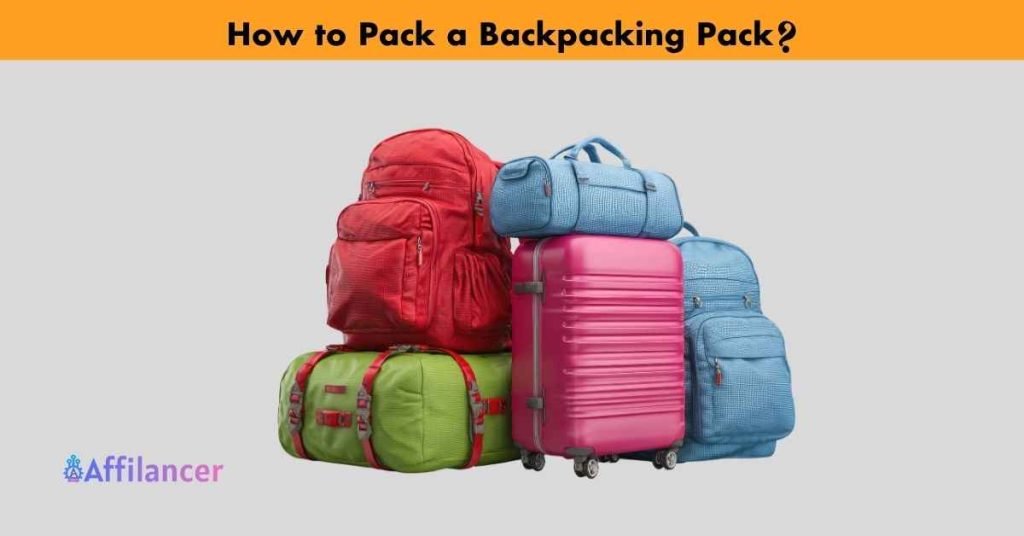
Packing a backpacking bag is an art. It may seem simple to you, but it is important. I have come to understand how important it is in my long travel experience. Preparing for a long trip in the wild is very exciting. I enjoy traveling in the wild very much. In this case, learning how to pack a backpacking pack properly is essential for your comfort while traveling.
I have heard many travelers talk unprofessionally about this. They consider it a waste of time. A messy bag can quickly turn a beautiful travel expedition into a painful experience full of shoulder and back pain. That is why backpacking is important, at least for me.
Fortunately, experienced hikers view a backpack as much more than just a big sack for holding gear. In fact, experts at organizations like the Outdoor Industry Association emphasize that loading your pack correctly makes your gear feel significantly lighter than it actually is.
How to Distribute Weight in a Backpack
The secret to a comfortable hike relies entirely on how you balance the weight against your body. Imagine carrying a heavy bowling ball close to your chest versus holding it at arm’s length; holding it close is much easier because it aligns directly with your natural center of gravity.
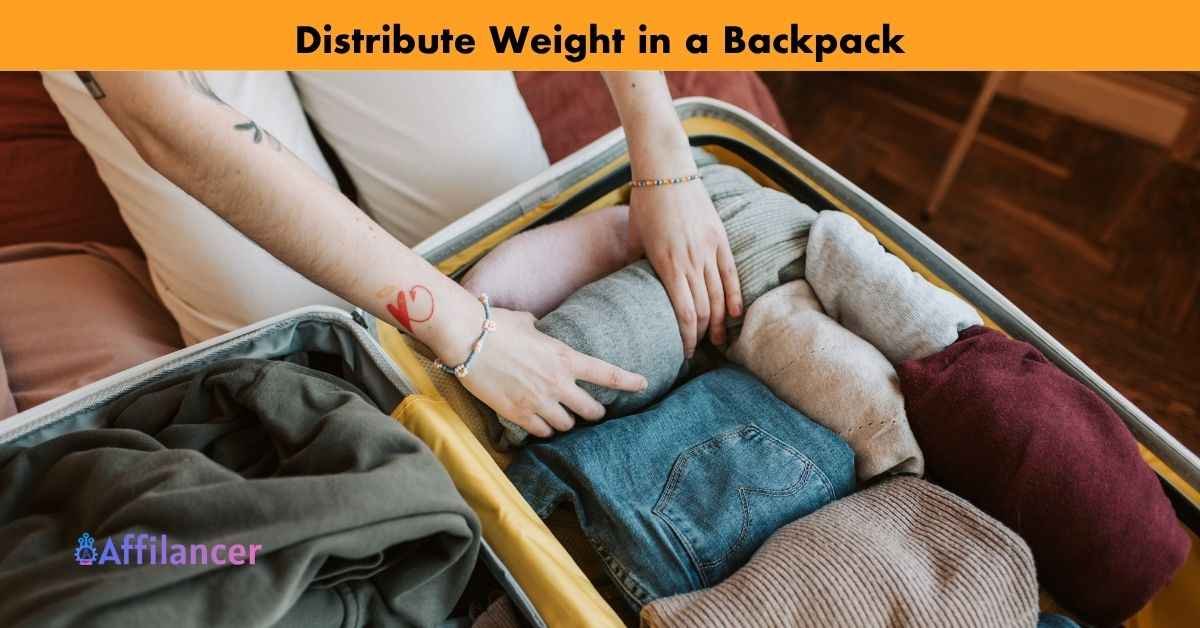
Your hiking pack works the exact same way on the trail. You always want to keep the heaviest items centered and pulled tight against your spine. This smart weight distribution prevents the bag from pulling you backward or causing you to lose your footing on uneven paths.
How to Pack Backpacking Pack: The Three-Zone Method
This guide follows the trusted loading format found on the official REI website at rei.com to ensure you receive accurate, field-tested information. When packing your backpack, it’s important to practice the three-part exercise.
I practice this all the time. The exercise is to divide your internal frame bag into three distinct vertical sections. When you start backpacking, it’s helpful to imagine three distinct vertical sections in your bag. For example: a bottom, a middle, and a top.
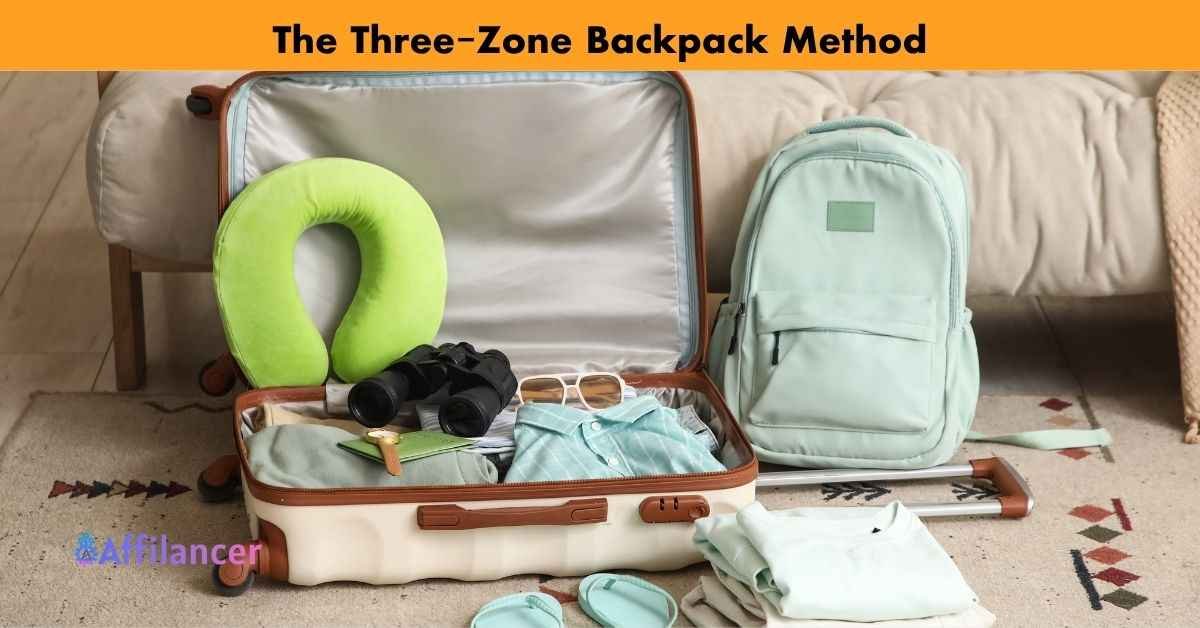
Remember, the bottom of the bag is for larger items. Don’t stuff the bottom with smaller items. Simply put, anything you won’t need until nightfall should go down. Simply put, anything you won’t need until you reach your campsite should go down.
Most modern gear bags even feature a dedicated sleeping bag compartment at the very base for this exact reason. On top of your sleeping bag, you can place your camp clothes, a lightweight sleeping pad, or an inflatable pillow.
The middle zone sits right against your spine—between your shoulder blades and lower back—and should hold the heaviest, densest items in your entire kit. You should place your camp stove, heavy fuel canisters, and water reservoir here to keep the weight stabilized.
If you are hiking through wilderness areas with strict wildlife regulations, your bear canister storage belongs in this heavy middle section as well. Be sure to surround these hard, heavy objects with soft items like your camp towel or spare socks to keep them from shifting around while you walk.
Now you’re probably clear. Reserve the top section for light items and any equipment you might need at any moment. This is where you’ll keep things like your rain jacket, a warm fleece, your water filter, etc. You should also keep a basic first aid kit.
Where Does the Tent Go in a Backpack?
This is one of the most common questions new hikers ask before their first overnight trip. The answer depends mostly on the weather conditions and how your specific tent is packaged. If the forecast is completely dry, you can pack the tent body and rainfly right into the middle zone of your bag.
However, if you have to pack up camp in the pouring rain, you will want to keep that wet tent separate. In that case, strap the wet tent body to the outside base of your bag so it doesn’t ruin the dry clothes inside. You can then slide the long, rigid tent poles vertically down the interior side of the pack or tuck them securely into an external side pocket.
How Heavy Should a Backpacking Pack Be?
We need everything. But we need to understand what is more and what is less. Many people backpack without considering the need or the need. I think that the weight of the bag after filling it with things should not be more than 20% of your total body weight. Let me give you a small example to explain.
If you weigh 150 pounds, how much should the total weight of your bag be? Know that your fully loaded bag should weigh about 30 pounds at most. Exceeding this recommended weight limit that I have given is likely to cause fatigue in your joints.
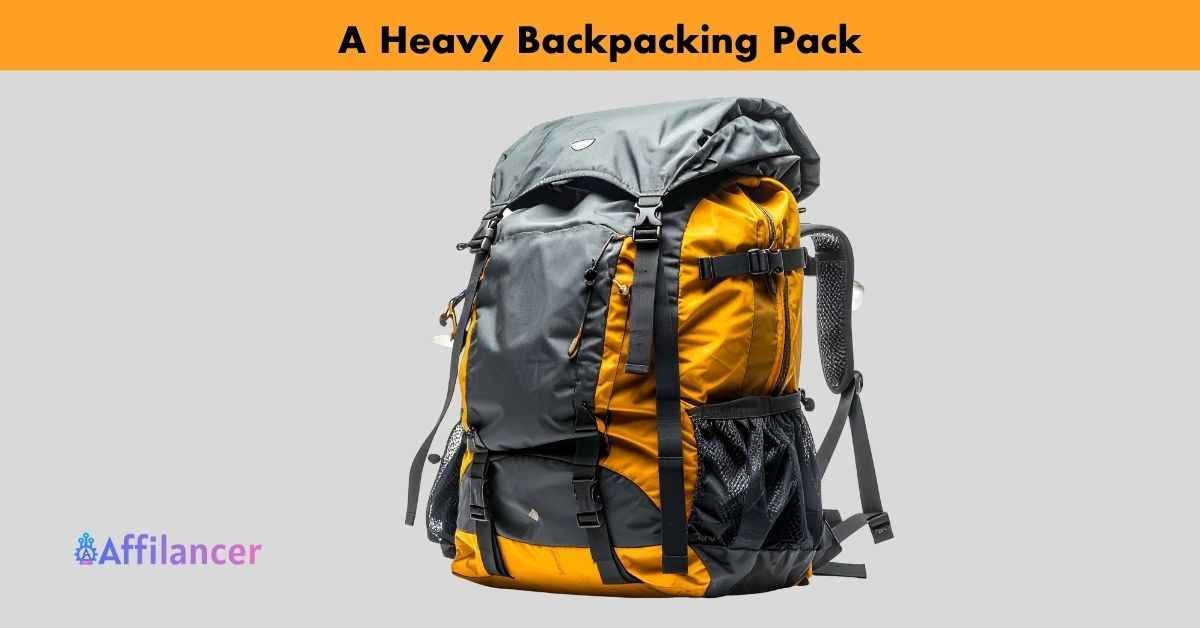
Doing so often significantly increases the risk of straining your muscles. You can easily check your setup at home by standing with your bag on a simple scale after you have done your full backpacking.
If the scale shows too much weight, my advice is to take a good look at your equipment list again. Verify what I have said repeatedly before. That is, remove any unnecessary luxury items.
Utilizing External Pockets and Adjusting Your Straps
Once the main interior compartments are full, you can use the smaller external pockets for items you use constantly. Side mesh pockets are ideal for carrying your water bottles or a trail map.
In my opinion, the hip-belt pockets are a good place to store light snacks and water. They are also a good place to store your smartphone or camera for a compass or quick photos.
However, if there is a crowded area at the beginning of your journey, where people are jamming. In all these places, it is better to use a safe place to keep your necessary devices safe from others.
The beginning of the journey, this is my happiest moment. Before starting the journey, take your packed bag on your back and adjust the straps of the bag in the right order. Always tighten the large hip belt first. This is very important. So that about 80% of your weight is carried on your waist instead of your shoulders.
Next, pull the shoulder straps down, and adjust the upper load lifters. Of course, click the sternum strap of the bag over your chest. I always say, it is important for everyone to know how to pack a backpack properly. Knowing this will keep your body strong and comfortable from the start to the end of your journey.
I have nothing to say for those who neglect their packing time. However, those who take the extra time to pack their gear at home will be rewarded with a peaceful and hassle-free journey amidst nature while traveling.
Thank you for reading with full attention! Please pray for me.