
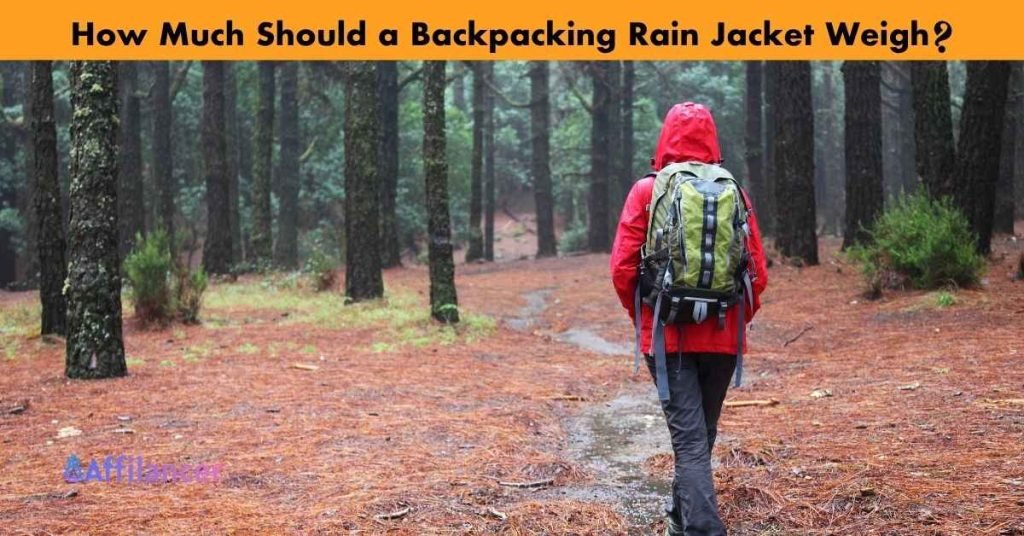
Finding the perfect balance of gear can feel like a high-stakes game when preparing for a long wilderness trek. Pack a heavy shell, and your shoulders will ache by the end of a long day on the trail. Pack something too light, and a sudden mountain storm could leave you shivering and completely soaked.
This leaves many hikers asking the critical question: how much should a backpacking rain jacket weigh? For most backpackers, the sweet spot lies right between 5 and 9 ounces.
That’s a good weight range to give you a solid barrier from violent storms without weighing down your pack like an anchor.
Here’s a look at why these numbers matter and how to choose the right gear for your next adventure.
How Much Should a Backpacking Rain Jacket Weigh?
To understand exactly how much a jacket should weigh, we need to look closely at the distinct categories available today.
A jacket’s weight directly dictates how it performs when the weather turns nasty on an exposed ridge.
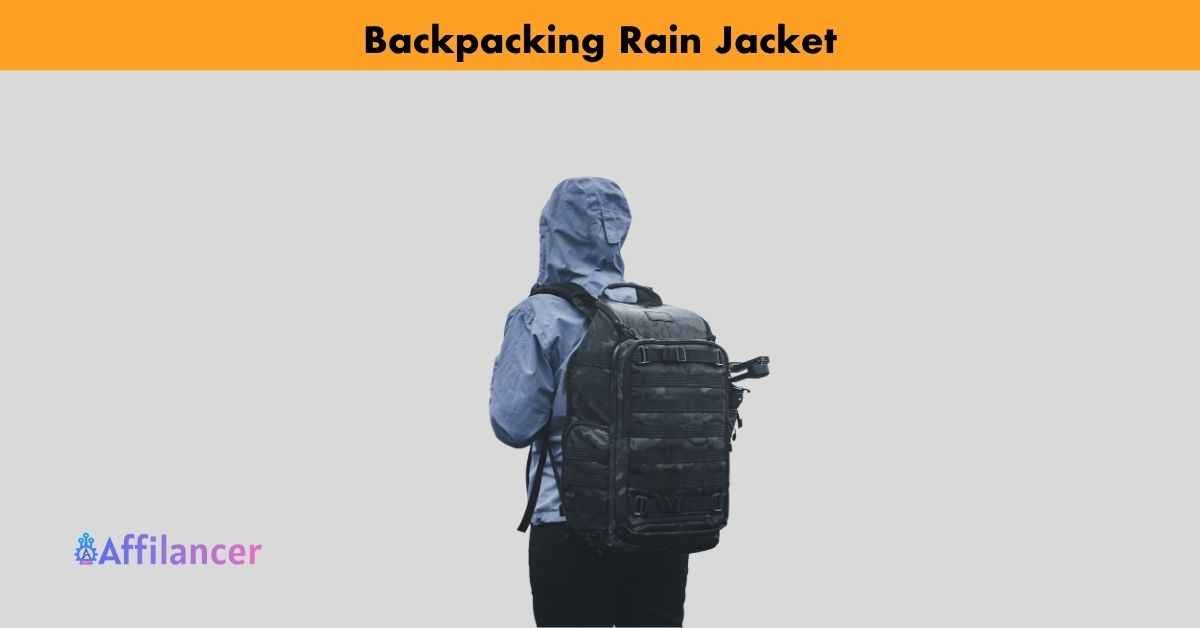
For example, an emergency running shell might weigh a mere 3 ounces, but it will quickly fail during a prolonged downpour.
On the other end of the spectrum, heavy winter hardshells can easily exceed 15 ounces.
For standard three-season backpacking, a jacket weighing between 6 and 8 ounces provides the best insurance against the elements.
According to insights from the technical gear experts at backpackinglight.com, sacrificing too many ounces can compromise your comfort during high exertion.
This happens because ultra-minimalist jackets often strip away the crucial features needed to regulate your body temperature.
2.5-Layer vs 3-Layer Rain Jacket
The primary factor determining your rain shell’s weight is its internal fabric construction. You will generally choose between a 2.5-layer vs 3-layer rain jacket when shopping for new gear.
A 2.5-layer jacket utilizes a thin protective sheen printed on the inside to shield the waterproof membrane. These jackets are incredibly lightweight, pack down small, and typically weigh under 7 ounces.
However, they can feel clammy and sticky against bare skin as soon as you start sweating on a steep incline. As shown in the diagram above, a 3-layer jacket features a true inner fabric layer bonded directly to the breathable middle membrane.
While this extra layer increases the overall weight to around 9 or 12 ounces, it dramatically improves both comfort and durability. The interior liner efficiently wicks moisture away from your body so the jacket never feels like a suffocating plastic bag.
This robust design also handles heavy friction from backpack shoulder straps much better over long distances.
Pit Zips vs Breathability Rating
Many hikers get caught up comparing a fabric’s official breathability rating on paper.
In the real world, mechanical ventilation is often far more effective than the membrane alone. The ongoing debate surrounding pit zips vs breathability rating highlights a major trade-off for lightweight hikers.
Pit zips are underarm zippers that allow you to vent hot air instantly while walking through heavy rain.
Adding these zippers requires extra sliders and waterproof seam tape, which typically increases the jacket’s weight by about 2 ounces.
If you tend to sweat heavily while hiking uphill, those extra 2 ounces are entirely worth the weight penalty.
Without them, your own body heat creates internal condensation, leaving you completely wet from the inside out.
Do Ultralight Rain Jackets Wet Out?
A common fear among minimalist hikers is the structural failure of ultra-lightweight fabrics.
People frequently ask: do ultralight rain jackets wet out during extended storms?
Wet-out happens when the exterior fabric absorbs water instead of allowing it to bead up and roll off.
This issue is heavily tied to your DWR (durable water repellent) coating performance rather than just the weight of the jacket itself.
However, ultralight jackets use incredibly thin face fabrics, like 7-denier nylon, which can saturate much faster than a thick 40-denier fabric.
Once a jacket wets out, the fabric becomes heavy and completely blocks the membrane from breathing.
If you expect to hike through days of continuous rain, carrying a slightly heavier 10-ounce jacket will ultimately keep you safer.
Managing Trail Weight vs Packed Weight Apparel
When organizing your gear list, it helps to distinguish between trail weight vs packed weight apparel.
Your rain jacket spends most of its life tucked inside your backpack when the weather is clear.
Therefore, its packed weight and compressed size are highly important for your overall physical comfort.
For example, a heavy 14-ounce jacket takes up valuable space that could otherwise be used for food or extra insulation layers.
Keeping your shell under 9 ounces ensures that you will barely notice it until the storm clouds roll in.
It is a small investment in weight that pays massive safety dividends when conditions get rough.
Finding Your Personal Balance
Ultimately, how much should a backpacking rain jacket weigh depends entirely on where and how you hike.
If you only hike in dry summer climates like Arizona, a 4-ounce emergency shell is absolutely perfect.
If you are tackling a wet autumn trip in the Pacific Northwest, look for a durable 9-ounce jacket equipped with pit zips.
Listen to your body and look closely at your typical trail conditions before making a final choice.
Protecting yourself from cold weather and hypothermia is always worth a few extra ounces in your pack.