

Imagine waking up early in the morning only to realize your trusted coffee machine is completely dead. In that sudden moment of frustration, your first thought is likely, “how can i make coffee without coffee maker?”
Don’t panic, because a delicious morning cup is still completely within your reach.
You don’t need a fancy or expensive appliance to brew a rich, energizing mug of fresh coffee.
This guide will show you exactly how to bypass the machine using simple, everyday items found right in your kitchen cabinets.
The Golden Rules of Machine-Free Coffee Extraction
To achieve a well-balanced flavor profile, it helps to understand a few basic principles of manual brewing.

The ideal coffee-to-water ratio is roughly one rounded tablespoon of ground coffee for every six ounces of water.
If you use too much water, your drink will taste thin, weak, and uninspiring.
Water temperature control is another critical secret to unlocking a genuinely great taste.
Never pour rolling, boiling water directly onto your precious coffee grounds because it burns the delicate natural oils.
Instead, let your boiled water rest off the heat source for about forty seconds before pouring it. This brief pause ensures your water drops to the perfect brewing temperature of around 94°C.
How can I make coffee without coffee maker
There are several highly reliable methods to get your quick caffeine fix using regular household tools.
Each method alters the body and texture of your drink based on how long the grounds remain submerged in the water.
Let’s explore the easiest manual extraction techniques you can try at home right now.
The DIY Coffee Bag Method
You can easily create your own single-serve coffee pouch using a standard paper filter. Simply place your fresh ground coffee right into the middle of a clean paper filter. Gather the edges carefully together and tie the top securely with a piece of plain kitchen twine.
Drop this homemade pouch into your favorite mug just like a traditional tea bag.
Pour your hot water directly over the pouch and let it steep for a full four minutes.
This method is perfect for an incredibly clean cup with absolutely zero floating grounds at the bottom.
Making Coffee on the Stove: The Cowboy Way
If you love outdoor adventures or are facing a major home power outage, cooking on the stove is your absolute best option.
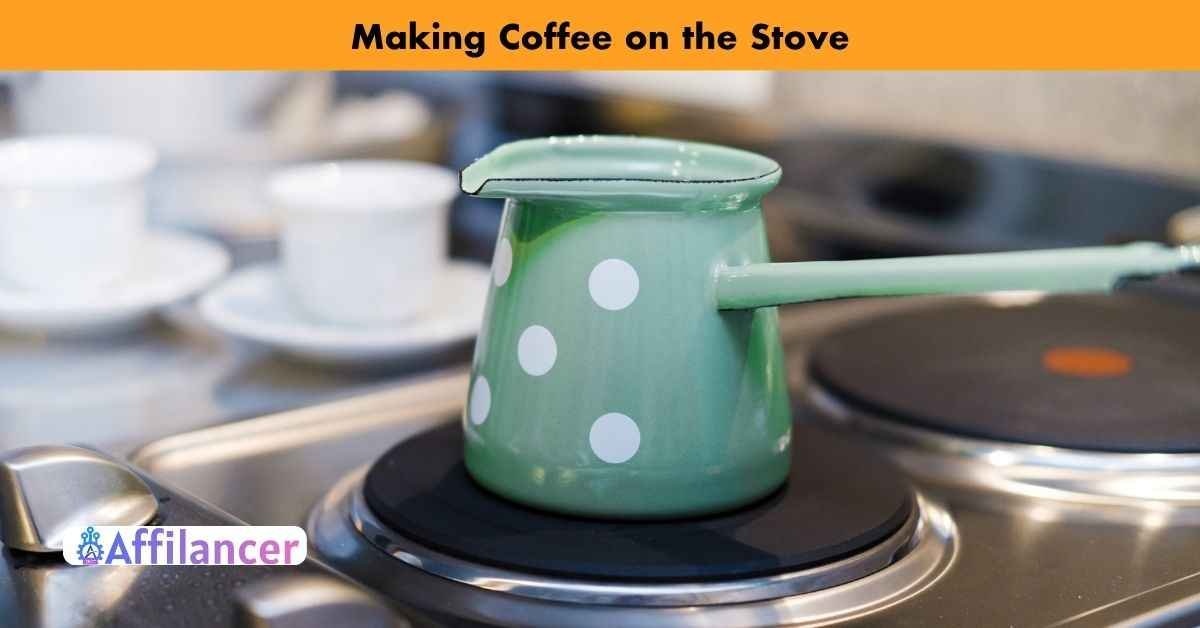
This historical approach relies completely on open pots and simple physics to get the job done right.
When you are stuck at a campsite wondering how can i make coffee without coffee maker, this technique is an absolute lifesaver.
Step-by-Step Saucepan Steeping
Pour your measured water directly into a small saucepan or cooking pot. Stir your coarse coffee grounds straight into the cold water until they are wet. Bring the mixture to a very gentle simmer on your stove or over a safe campfire.
Turn off the heat completely as soon as the water begins to bubble actively.
Cover the pot with a tight lid and let it sit undisturbed for five minutes.
The Clever Cold Water Trick
You might wonder how to separate the floating coffee silt from your drink without using a proper filter. An amazing trick used by outdoor wilderness campers solves this problem instantly. Splash two tablespoons of clear, icy cold water right onto the surface of the hot brewed coffee.
The sudden temperature change instantly breaks the surface tension of the hot liquid. This rapid cooling causes all the heavy coffee grounds to sink straight to the very bottom of the pot.
Now you can safely pour the clean liquid from the top layer directly into your morning cup.
How to Filter Coffee Without Filters Safely
Sometimes you have plenty of loose grounds but you don’t own any official paper filters at all.
You can easily use an alternative kitchen tool as an effective, safe substitute.
The Double-Mug Scoop and Strain Technique
Find a small, fine-mesh metal strainer from your baking drawer. Mix your hot water and ground coffee together in a regular heat-safe bowl or glass measuring cup. Let the mixture steep for four minutes to achieve a beautifully balanced extraction time.
Place your metal strainer directly on top of your clean drinking mug.
Slowly pour the liquid through the mesh strainer to catch all the large coffee particles.
Replicating a Pour-Over with Kitchen Fabrics
A clean cotton cloth or a sturdy paper towel can work as an emergency paper filter substitute. Secure the fabric tightly over the rim of your mug using a strong rubber band.
Gently press the center down to form a small pocket for your coffee grounds to sit in. Slowly pour your hot water over the grounds in small, steady circles.
Make sure to use completely unbleached and fragrance-free materials to avoid a bad chemical taste.
Simple Fixes for Bitter or Muddy Coffee
If your emergency coffee tastes too bitter, the grounds probably stayed in the hot water for too long. Over-extraction happens when hot water sits with the coffee particles for more than five minutes. Always separate your liquid from the grounds as soon as your kitchen timer goes off.
If your cup feels too muddy, try using a slightly coarser grind size next time around.
Protecting Your Kitchen Plumbing During Cleanup
Cleaning up your homemade coffee requires a bit of caution to avoid expensive household damage. Never wash a large amount of loose coffee grounds directly down your kitchen sink drain. Coffee grounds do not dissolve in water and can easily get trapped inside the curves of your pipes.
They will combine with old cooking grease to form a thick, stubborn clog over time.
Instead, scrape the wet grounds out of your pot and put them into your garbage can or garden compost.
Can I use a paper towel as an emergency filter safely?
Yes, you can use a thick paper towel if you do not have a standard coffee filter on hand.
Just ensure it is unbleached and completely unscented so it does not ruin the natural flavor of the beans.
Why does my homemade coffee taste so burnt?
Your water was likely boiling hot when it first touched the coffee grounds.
Always let your boiled water cool down for forty seconds before starting the manual brewing process.
What is the best grind size for cowboy coffee?
A coarse grind size works best because the large particles sink to the bottom of the pot much faster.
Fine grinds will stay suspended in the liquid and make your drink taste muddy or gritty.
How long should I let my coffee steep in an open pot?
A total steeping time of four to five minutes is ideal for hot immersion cooking methods.
Leaving it any longer will pull out bitter chemical compounds that ruin the smooth taste.
Is it safe to drink the tiny sediment at the bottom of the cup?
Yes, the small silt at the bottom of your mug is completely harmless to swallow.
However, it tastes quite bitter, so most people choose to leave the last sip inside the cup.
Conclusion
Learning how can i make coffee without coffee maker is a fantastic, practical life skill for any coffee lover. You do not need complicated electrical appliances to enjoy a warm, rich morning beverage.
By using simple everyday tools like strainers, pots, or paper towels, you can easily brew great coffee anywhere. Remember to watch your water temperature closely and keep your leftover grounds out of the plumbing.
Now you are ready to handle any morning appliance emergency like an absolute expert.
Suggested External Authority Sources:
-
-
National Coffee Association standard brewing guidelines.
-
Plumbing safety articles regarding residential drain clogs caused by food solids.
-