If you want to improve your health, lower your grocery bills, or reduce your environmental footprint, you have likely looked into plant-based eating.
Hi, I am Thouhidul Islam. In my years of culinary research and recipe development, I have noticed that one question pops up more than any other: What is a vegetarian recipe?
Many people assume it simply means eating a plate of plain salad. But true vegetarian cooking is incredibly diverse, flavorful, and satisfying. Let’s break down exactly what makes a recipe vegetarian and how you can build balanced, delicious, meat-free meals.
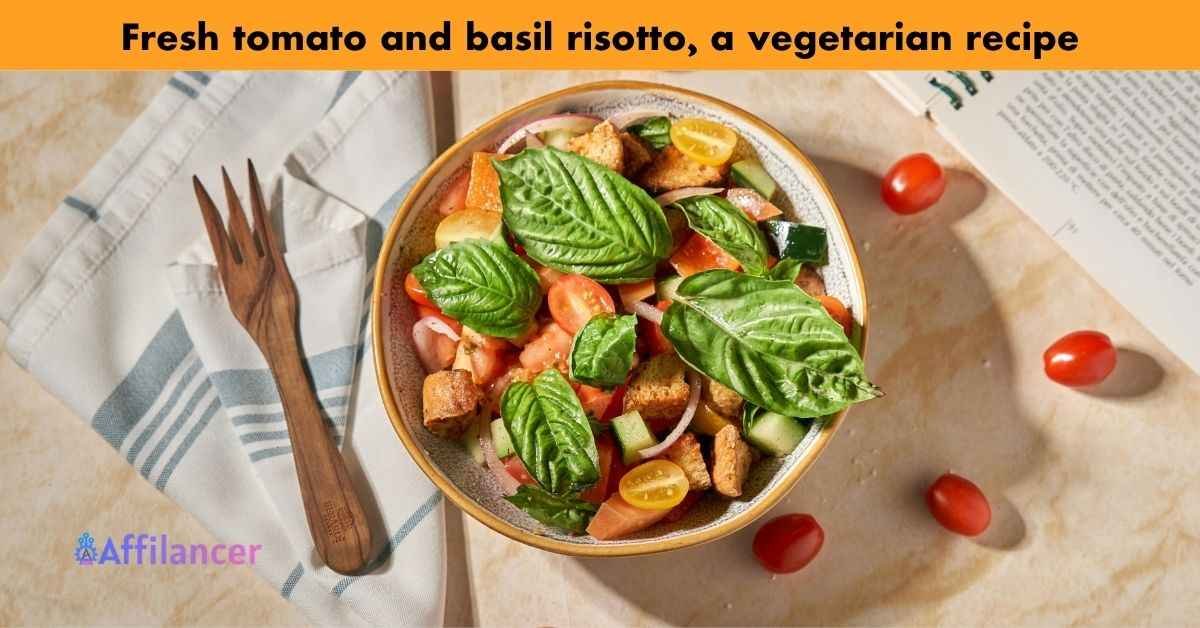
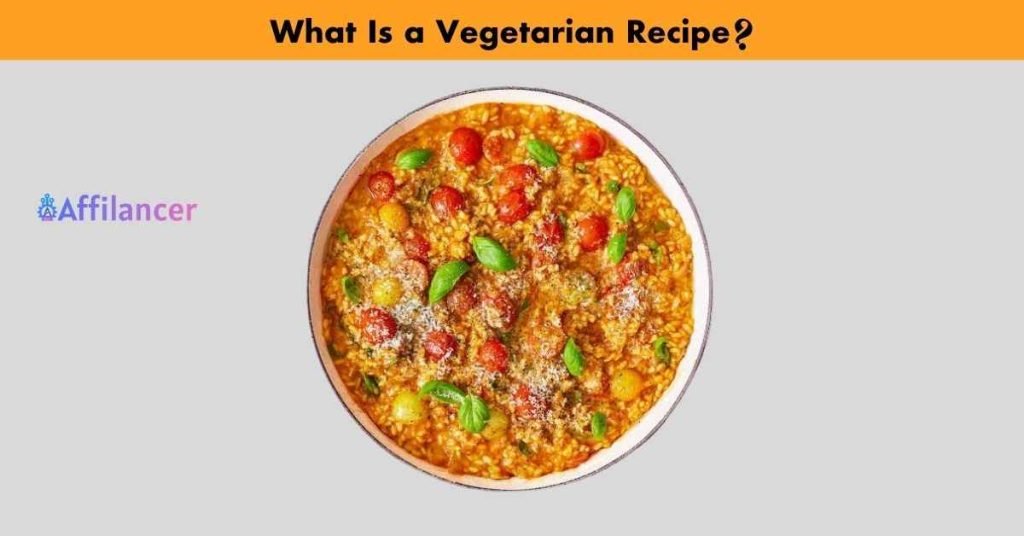
In the image above, you can see a classic example of a hearty vegetarian dish: a fresh tomato and basil risotto. It contains zero meat products, yet it provides a rich texture and comforting flavor profile by utilizing wholesome grains, fresh produce, and traditional herbs.
Understanding the Basics: What Is a Vegetarian Recipe?
At its core, a vegetarian recipe is a cooking guide that completely excludes meat, poultry, game, fish, shellfish, and any by-products of animal slaughter (such as gelatin or animal-derived rennet).
Instead of animal proteins, these recipes focus heavily on plant-based ingredients. Whole grains, legumes, vegetables, fruits, nuts, and seeds form the backbone of this culinary style. Depending on the specific type of vegetarian path a person follows, the recipe may or may not include dairy products or eggs.
To make things simple, I always tell people to look at the four main types of vegetarianism. This helps clarify exactly what ingredients can go into your kitchen prep.
The Different Types of Vegetarian Diets
| Diet Type | Allows Dairy? | Allows Eggs? | Main Ingredient Focus |
| Lacto-Ovo Vegetarian | Yes | Yes | Grains, beans, vegetables, milk, cheese, eggs |
| Lacto-Vegetarian | Yes | No | Grains, lentils, milk, yogurt, cheese |
| Ovo-Vegetarian | No | Yes | Vegetables, nuts, seeds, whole eggs |
| Vegan | No | No | Strictly plant-based foods, fruits, grains, legumes |
Key Components of a Balanced Vegetarian Recipe
When I design menus, my goal is always to create a meal that keeps you full and energized. A common mistake beginners make is simply removing the meat from a dish without replacing its nutritional value. According to established guidelines from the Academy of Nutrition and Dietetics, a healthy, well-planned vegetarian meal requires a thoughtful mix of macronutrients.
To achieve this balance, ensure your recipes feature these three main pillars:
-
Plant-Based Protein: Beans, lentils, chickpeas, tofu, tempeh, and edamame are excellent options. They repair muscles and keep your energy steady.
-
Complex Carbohydrates: Swap out white rice for quinoa, brown rice, oats, or sweet potatoes. These provide a steady release of daily energy.
-
Healthy Fats: Avocados, olive oil, walnuts, chia seeds, and hemp hearts add rich texture and support brain health.
Practical Tips for Creating Delicious Vegetarian Meals

If you are new to this style of cooking, don’t feel overwhelmed. I recommend starting with meals you already know and love, then modifying them.
Here are three simple, expert-approved tips to get you started in the kitchen today:
-
Focus on Umami Flavors: Meat provides a savory depth called umami. You can mimic this satisfying taste in vegetarian cooking by adding soy sauce, miso paste, nutritional yeast, or sun-dried tomatoes to your dishes.
-
Use Substantial Textures: If you miss the chewiness of meat, use mushrooms (especially Portobello or Shiitake), jackfruit, or extra-firm tofu. They absorb spices beautifully and provide a dense, satisfying bite.
-
Keep a Stocked Pantry: Keep canned beans, coconut milk, vegetable broth, and various spices on hand. Having these basics ready means you can whip up a fast curry or chili without running to the store.
A Quick Tip from My Kitchen: Don’t overcook your vegetables. Keeping a slight crispness in your greens and roots preserves their natural vitamins and makes the overall eating experience much more enjoyable.
Summary
So, what is a vegetarian recipe? It is an invitation to explore a vast world of colorful, nutrient-dense, and sustainable plant foods. By focusing on whole ingredients and balancing your proteins, grains, and fats, you can easily create meals that are great for your body and your budget. Start small, experiment with new spices, and enjoy the process of cooking fresh food.