Many coffee lovers struggle with a harsh, burnt taste in their morning cup. When your brew tastes unpleasantly sharp, it is all too easy to reach for the sugar bowl to mask the flavor. However, learning how to make coffee taste less bitter without sugar can completely transform your morning routine. With just a few simple adjustments to your technique, you can unlock a naturally smooth, complex, and delicious flavor profile without relying on sweet additives.
Why Is My Coffee Bitter?
Understanding the root cause of an unpleasant brew is the first step toward fixing it. Coffee beans are packed with natural acids, oils, and sugars that dissolve at different stages during the brewing process. The pleasant fruity, floral, and sweet notes dissolve first, while the heavier, bitter compounds are pulled out at the very end. If your water extracts too many of these late-stage compounds, your cup becomes overwhelmingly harsh.
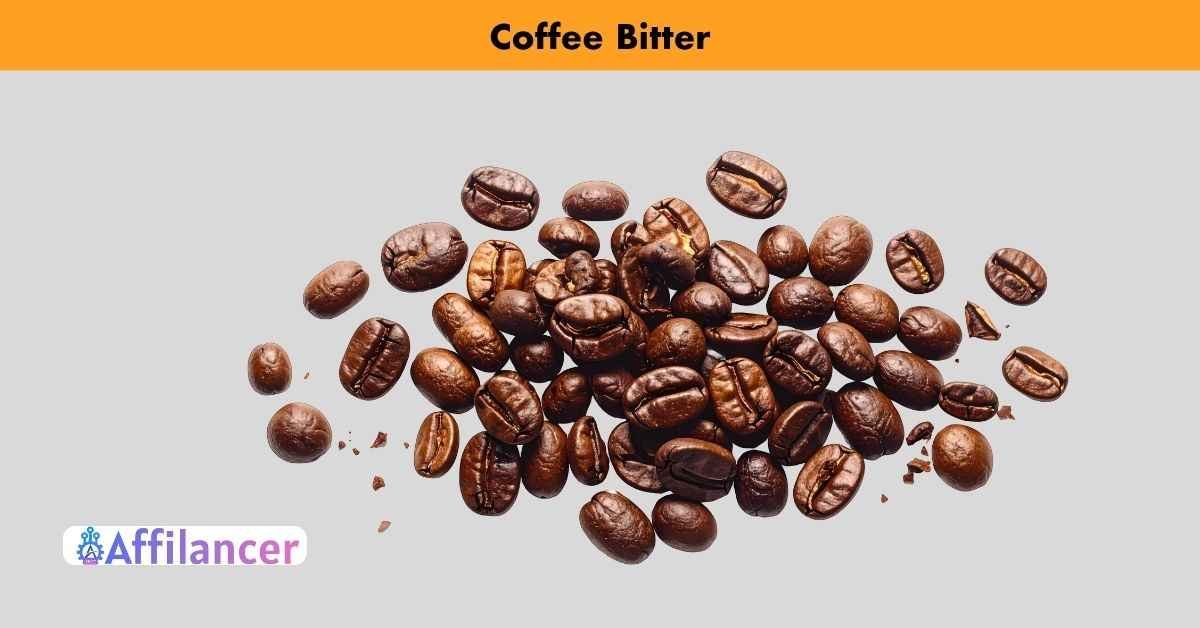
The type of bean you choose also plays a major role in your daily flavor profile. For instance, Robusta beans naturally contain significantly more caffeine and chemical compounds called chlorogenic acid lactones than Arabica beans. These compounds give Robusta an inherently harsher, more medicinal taste.
Additionally, the roasting style matters. Dark roasts break down the physical structure of the bean over a longer period, creating a smoky, carbon-forward taste that many people find difficult to drink without heavy milk or sweeteners.
How to Fix Over Extracted Coffee
If your coffee tastes like ash, you are likely dealing with over-extraction. Fortunately, adjusting a few basic brewing variables can instantly rescue your morning cup.

The most critical factor to evaluate is your grind size. Fine coffee grounds expose a massive amount of surface area to water, causing bitter flavors to dissolve far too quickly. By switching to a coarser grind setting, you slow down the extraction rate and keep those harsh compounds trapped safely inside the grounds. Investing in a high-quality burr grinder instead of a cheap blade grinder will also keep your coffee particles uniform, preventing tiny dust-like “fines” from bittering your drink.
Water temperature is another variable that baristas watch closely. Boiling water acts as an aggressive chemical solvent, rapidly melting away bitter compounds. According to international standards, the sweet spot for brewing water is between 90°C and 96°C. If you do not own a thermometer, simply let your kettle rest for one full minute after boiling before you pour.
Finally, keep an eye on your total contact time. Leaving your coffee grounds in water for too long guarantees a bitter drink. For example, if you leave coffee sitting inside a French press for ten minutes, it will taste incredibly harsh. Try plunging and transferring your French press coffee into a separate carafe after exactly four minutes to stop the brewing process.
As shown in the classic chart above, balancing your extraction percentage is the key to escaping the bitter zone and hitting the sweet spot.
How to Make Coffee Taste Less Bitter Without Sugar
Sometimes you just need an immediate fix for a cup of coffee that has already been brewed. Fortunately, you can use basic food science to troubleshoot a bad cup of black coffee without touching a single grain of sugar or artificial sweetener.
A famous method popularized by food scientists involves adding a microscopic pinch of salt to your mug. Sodium ions naturally bind to the taste receptors on your tongue, blocking them from registering bitterness. This small addition will not make your coffee taste salty as long as you use only a tiny grain or two. Instead, it tricks your brain into perceiving the existing flavors as much smoother and sweeter.
Another useful kitchen hack is using a tiny dash of baking soda. Because baking soda is highly alkaline, it neutralizes harsh tannic structures and excess acidity in lower-grade or over-steeped diner coffee.
If your goal is to achieve a genuinely smooth cup, you can also look into healthy, unsweetened fats. Adding a splash of unsweetened almond milk, oat milk, or even half a teaspoon of coconut oil can work wonders. The natural proteins and fats in these liquids bind to polyphenols, rounding off the sharp edges of the brew before they hit your palate.
Simple Habits to Fix Bitter Black Coffee
Long-term brewing success relies heavily on maintaining clean equipment and using the right water. Because a cup of black coffee is roughly 98% water, your local water quality changes the flavor profile entirely. Hard tap water containing heavy minerals, iron, or chlorine can make even the best beans taste incredibly sharp and chemical. Using a simple charcoal water filter or bottled spring water will noticeably clean up your daily flavor profile.

You should also look closely at the cleanliness of your coffee maker. Leftover coffee oils stick to the internal walls of your machine, baskets, and carafes, turning rancid over time. These old oils dissolve right into your fresh brew, introducing an unpleasant “ghost flavor” that tastes burnt and stale. Deep-cleaning your equipment weekly with a vinegar solution or a specialized espresso cleaner will keep your morning drinks tasting fresh, crisp, and clean. Focusing on these environmental details is the absolute best way to learn how to reduce coffee bitterness permanently.
Frequently Asked Questions About Smooth Coffee Without Sugar
Will adding salt ruin the health benefits of my coffee?
No. A tiny pinch of salt adds a negligible amount of sodium to your diet. It remains a much healthier alternative for your blood sugar and energy levels than dumping spoonfuls of refined white sugar or processed syrups into your morning drink.
Why does my coffee taste better when it cools down slightly?
Human taste buds cannot perceive complex flavors accurately when liquids are extremely hot. As your drink cools down closer to body temperature, your palate can finally detect the underlying sweetness, natural acidity, and subtle fruit notes of the bean.
Is cold brew coffee naturally less bitter than hot coffee?
Yes, cold brew coffee is inherently much smoother. Because it relies on cold or room-temperature water over a 12 to 24-hour period, the heavy, bitter compounds that require high heat to dissolve are never extracted into the water.
Can cinnamon help fix bitter black coffee?
Cinnamon does not chemically block bitterness on your tongue the way salt does. However, its familiar, sweet aroma tricks your brain into associating the flavor with baked goods, making the coffee taste perceptually sweeter.
Should I avoid dark roast coffee completely?
Not necessarily. If you enjoy smoky, bold, and roasty notes, dark roasts can be excellent. However, if you are struggling with harshness, switching to a high-quality medium or light-medium roast is an easy shortcut to a naturally sweeter flavor profile.
Conclusion
An unpleasantly bitter cup of coffee is almost always a symptom of a simple brewing error, dirty equipment, or poor bean selection. Mastering how to make coffee taste less bitter without sugar is all about understanding how to control your extraction.
You do not need to rely on heavy creamers or sugars to enjoy your daily dose of caffeine. By coarsening your grind size, lowering your water temperature, or using a tiny pinch of salt, you can easily fix a harsh brew. Take a look at your current brewing setup tomorrow morning, make one small adjustment at a time, and let your taste buds experience how smooth black coffee can truly be.