Learn something wonderful about boiled eggs. We keep boiled eggs on hand to make easy meals during busy days. It is honestly a wonderful and healthy breakfast. Many of my relatives like to boil a lot of eggs at the beginning of the week. The main reason for doing this is so that meals can be prepared easily. However, they almost ask a question. This question may also arise in your mind, “How long are boiled eggs good in the refrigerator?” Understanding the basics of food safety is very important for us. So that you can enjoy your breakfast every day without any health risks.
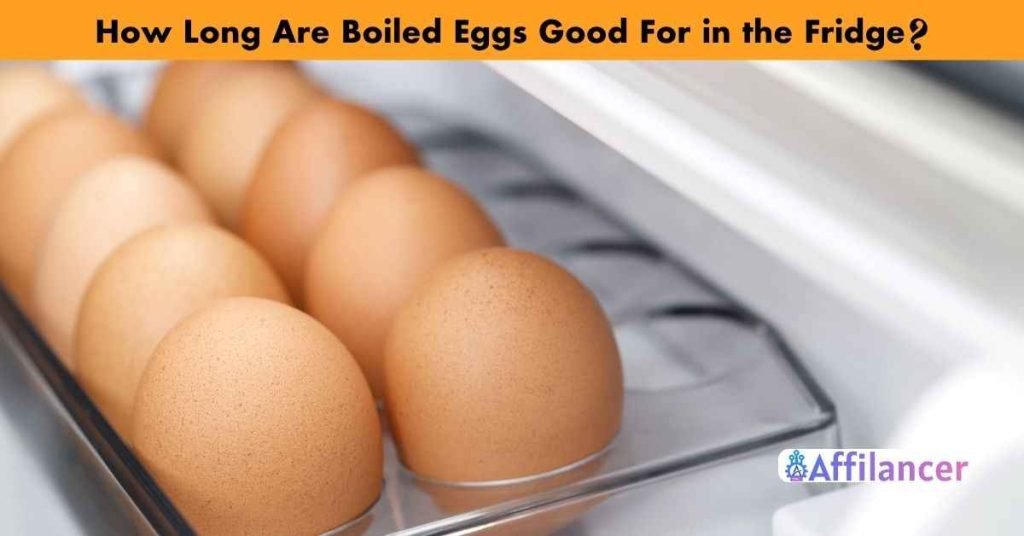
How long are boiled eggs good in the refrigerator?
After checking many resources, I found out that according to food safety experts, boiled eggs can stay fresh for up to seven days. Here you should also know, whether the eggs are peeled or still in the shell, you should follow this specific time limit. There are some more rules to follow to maintain the freshness of eggs. After boiling eggs, they should be cooled properly from the moment they cool down. Do not leave them on the kitchen counter for too long. Boiled eggs will spoil quickly if left out for too long.
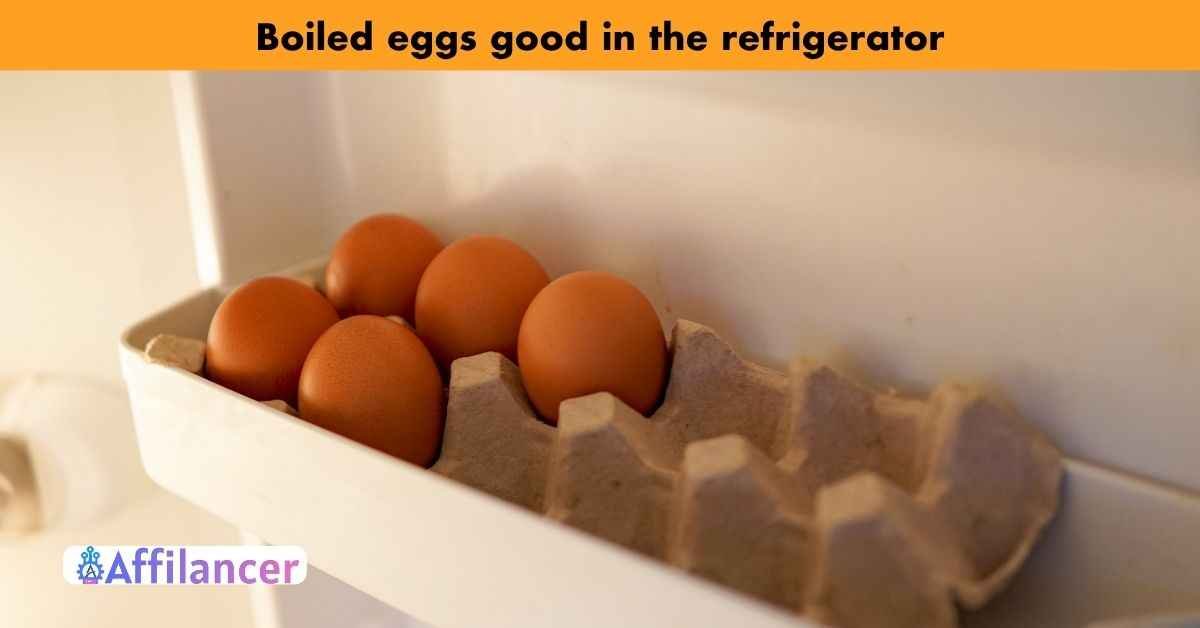
Now I can tell you this, if you know exactly how long boiled eggs are good in the fridge, you can plan your weekly meals with complete peace of mind. For this, you should read the full guideline.
Tips for Understanding the Shelf Life of Boiled Eggs
You may be surprised to know this. To be honest, boiled eggs do not last as long as fresh or raw eggs. Raw eggs can easily be stored in your refrigerator for three to five weeks without spoiling. On the other hand, when you boil an egg, its natural protective layer is changed. The hot boiling water washes away a fine or microscopic coating known as the ‘bloom’ or cuticle on the outer shell of the egg.
You may not have known before, but without this natural protective layer, harmful germs from the air and the environment can easily enter the tiny pores of the egg shell. As a result, the overall shelf life of boiled eggs is dramatically reduced. This is why boiled eggs spoil quickly. On the other hand, fresh or raw eggs can be stored for a long time.
Storing Boiled Eggs: A Guide to Storing Shelled vs. Peeled Eggs
Keeping the egg shell intact is always the best way to maintain freshness. When you store hard-boiled eggs with their shells on, the outer layer acts as a physical barrier against the strong smells and heat of the kitchen. It prevents the egg whites from drying out or becoming rubbery.
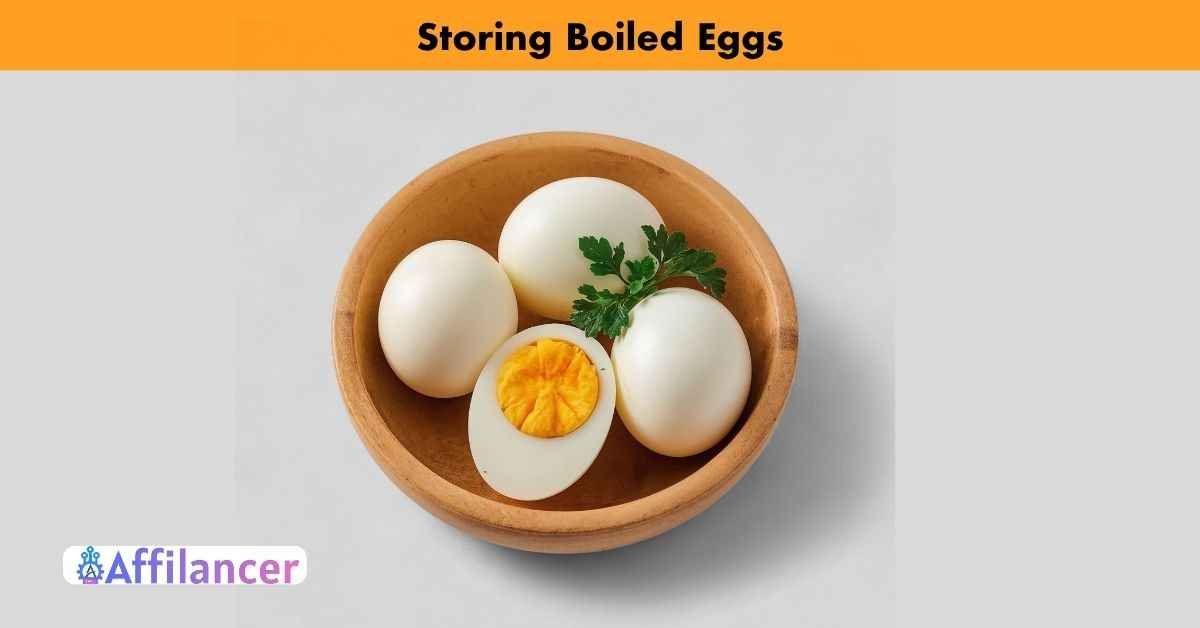
If you want to peel the eggs in advance, you need to be extra careful and take extra care. Immediately transfer the peeled eggs to a clean, airtight container. In this case, lay the eggs on a damp paper towel. This simple trick will prevent the eggs from losing moisture. This method even prevents the eggs from developing a hard, rubbery shell.
Learn the best way to store hard-boiled eggs in the refrigerator:
You may not have known this before, but the proper storage of eggs begins the moment they are finished boiling. To stop the cooking process after boiling, you should immediately plunge the hot eggs into cold water or ice water. Once the eggs have cooled completely, be sure to refrigerate them within two hours. This is really important. Leaving eggs out at room temperature can cause serious damage. You should know that keeping eggs at room temperature creates a favorable environment for harmful bacteria to grow.
Are you storing boiled eggs in the refrigerator now? There is one thing you should know when storing boiled eggs in the refrigerator. Where you store boiled eggs in the refrigerator is very important. Many of us make this mistake, but it can no longer be done. Never store eggs in the plastic tray on the refrigerator door. We open and close the door repeatedly throughout the day, which causes constant temperature changes. This accelerates the process of spoiling eggs. Instead, place the egg container towards the back of the refrigerator. Keeping it in the inside keeps the air cool and still. As a result, the eggs stay good.
One thing to note is that when you first open the container of stored eggs, you may notice a gas-like smell. Don’t worry about it at all; it is just hydrogen sulfide gas produced during cooking. This harmless smell is completely normal. Many people are scared by it. Don’t worry, this smell usually goes away within a few moments of opening the lid.
How to Tell if a Boiled Egg is Spoiled?
You may not know that your senses are your best tool when it comes to food safety. How do you tell if a boiled egg is spoiled? Once you learn this, you and your family can be protected from foodborne illness.
First, check for any unusual odors. Use your nose to do the test. Numerous tests and research have shown that a spoiled egg emits a strong, sour, or extremely unpleasant odor like ammonia. If the egg you are testing has its shell on, you will have to break the egg to fully understand the smell. You will not be able to tell if the egg is normal without breaking it.
Next, take a close look at the appearance of the egg. A spoiled egg will look slippery or have a strange look on the shell. There may even be a chalky coating on the egg. Carefully touch the egg white to see if it is firm and elastic. If the egg white feels soft, slippery, or excessively sticky, be careful. This means the egg is spoiled. You should throw it away immediately.
I don’t know if you’ve noticed. If you look closely, you’ll sometimes see a dark, greenish-gray ring around the yolk of a boiled egg. This discoloration doesn’t mean the egg is spoiled at all. It’s just a harmless chemical reaction. Don’t be alarmed by it. It actually happens when eggs are overcooked or left at high heat for a long time.
Follow the USDA Egg Safety Guidelines:
Government agencies set rules to protect consumers by ensuring that food is safe to eat. Their rules help consumers eat better. They provide clear guidelines for consumers, which we should follow. We urge you to follow the USDA Egg Safety Guidelines. Their guidelines will help us avoid unnecessary health risks.
According to these guidelines, bacteria grow fastest between 40°F and 140°F. You may not have known this information before. The temperature range from 40°F to 140°F is known as the food temperature danger zone. To keep your food safe and reduce bacterial growth, your refrigerator should always be set at 40°F (4°C) or lower.
Let me tell you about a specific bacteria called Listeria monocytogenes. This bacteria can survive and actively reproduce in cold environments. This is why it is recommended that you never eat boiled eggs that have been in the refrigerator for more than seven days.
Spoiled eggs are absolutely bad for our bodies. You may know that eating spoiled eggs can cause painful symptoms like diarrhea, stomach pain, and vomiting. Sometimes, we are not aware of or forget how long eggs have been stored in the refrigerator. If we are ever unsure, it is always better to throw away the eggs as a precautionary measure.
For more detailed information on different methods of preserving eggs, you can check out this guide from Healthline: here.., here is some more great information about the nutritional value of eggs.
Can boiled eggs be stored in the refrigerator for longer storage?
Answer: No. As we have mentioned in the discussion, we do not recommend storing boiled eggs in the refrigerator for longer storage. You can test it yourself and see that storing boiled eggs in the refrigerator makes the egg whites hard, watery and spongy. However, you can safely store only the yolk of a boiled egg in the refrigerator for cooking after a few days. We generally do not recommend doing this either.
How long can boiled eggs be safely stored in a school tiffin box?
Answer: Considering the school as a room, boiled eggs can be safely stored for up to two hours at normal room temperature. In this case, eggs should always be kept safely cold by placing frozen gel packs inside an insulated bag. This will provide better protection.
Why do my stored eggs sometimes smell like sulfur?
Answer: We discussed this in our long discussion. You may not have noticed that when you boil eggs, they naturally release a safe gas called hydrogen sulfide. You may remember that we said that this harmless gas accumulates inside an airtight container, but it quickly evaporates when you open the lid. When the gas evaporates, you feel a smell in your nose.
Does mixing vinegar with water keep eggs fresh for longer?
Answer: No. The answer to what you want to know is that mixing vinegar with water does not keep eggs fresh for longer. Know that vinegar only breaks down calcium and makes it easier to peel eggs. It does not increase the shelf life of boiled eggs. You can use vinegar to peel eggs easily.
Should I wash boiled eggs before storing them in the refrigerator?
Answer: No. There is no need to wash eggs before storing them in the refrigerator. Washing can introduce new bacteria through the porous egg shells. The advice is to simply cool the eggs and store them directly in a clean container.
Can an old raw egg be kept for a long time after boiling?
Answer: No. No matter how fresh the raw egg is, it should be eaten within seven days of boiling. This applies to all eggs, old or new.
What should you do if the egg shell cracks while boiling?
Answer: You should store that particular egg in an airtight container. Since the egg has cracked, it should be eaten within a day or two. Because bacteria can easily enter through the cracks in the egg.
If the egg white is gooey but smells completely normal, is it safe to eat?
Answer: No. Our advice is not to eat it. Because a sticky or slippery feeling is a clear indication that bacteria are colonizing the surface of the egg. Even if there is no foul smell, you should not eat the egg.
Conclusion
Boiled eggs are my favorite food. They are a great addition to our daily diet and add protein. Just remember that eggs should not be stored for more than seven days. The maximum safe period for storing eggs is seven days, which we have discussed many times.
One more thing to pay attention to. That is, do not store your eggs in the refrigerator door tray, but in a good container and arrange them in a corner of the refrigerator.
Finally, if you ever have doubts about the freshness of eggs, use your senses. In this case, trust your gut and notice the change in the smell and texture of the egg. Remember, protecting your health is always more important than saving any leftover food.
By following these simple steps according to our guidelines, you can always prepare your food safely and confidently. Hopefully, this guide has been helpful to you. Thank you!