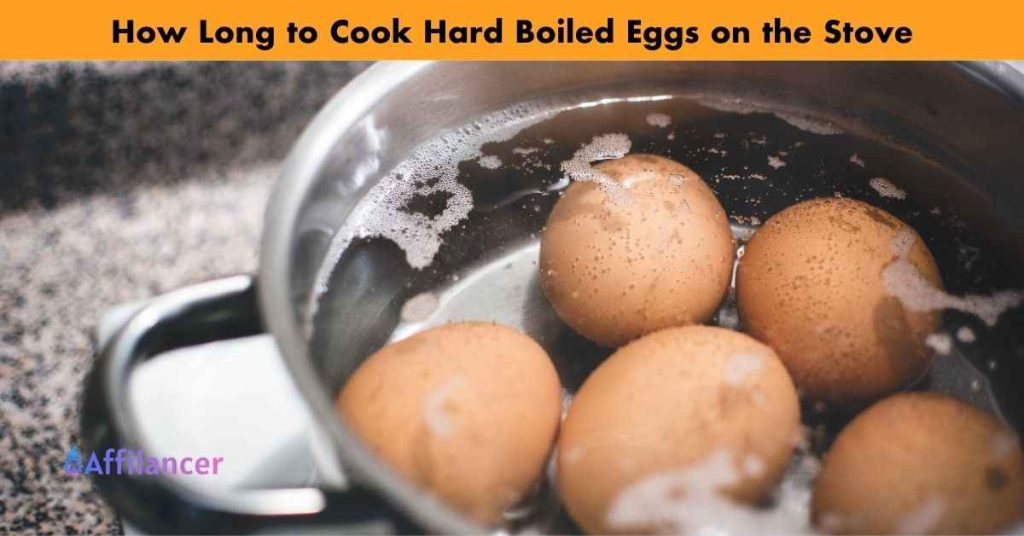
How long to cook hard-boiled eggs on the stove is a question that sounds simple, but a few seconds can change everything. Leave them in too short, and the yolk remains runny. Leave them in too long, and you end up with a rubbery white and a chalky green ring around the yolk.
My name is Thouhidul Islam. Over years of managing busy kitchens and developing foolproof recipes, I have boiled thousands of eggs. I learned the hard way that timing and temperature are everything. Today, I will share the exact timing and methods I use to get perfect hard-boiled eggs every single time.
The Cold Water Method
There are two main ways to boil eggs: starting them in cold water or dropping them into hot water.
Through my professional experience, I have found that the cold water method is the safest for home cooks. It prevents the eggs from cracking against each other when they first heat up, and it cooks the whites and yolks evenly.
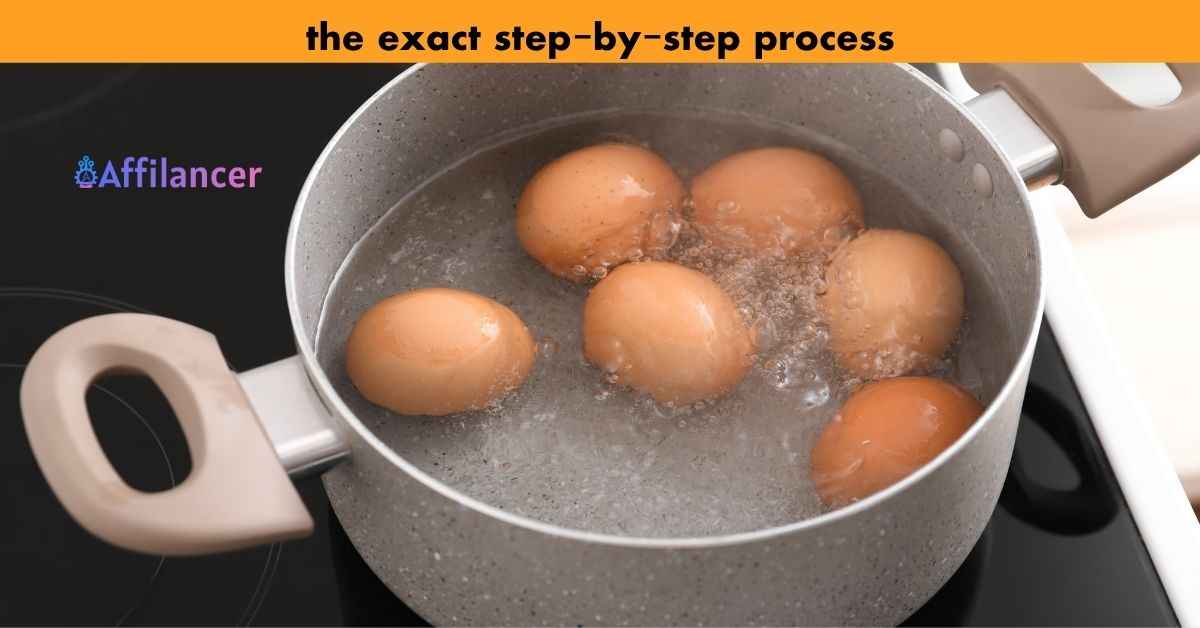
Here is the exact step-by-step process I use:
Cooking Time Chart (Cold Water Method)
Once you cover the pot and remove it from the heat, the clock starts. These times apply to Large-sized eggs taken straight from the refrigerator.
| Sit Time in Hot Water | Yolk Texture | Best Used For |
| 6 Minutes | Liquid yolk, soft white | Dipping toast soldiers |
| 8 Minutes | Fudge-like, jammy yolk | Ramen bowls |
| 10 Minutes | Creamy, solid yellow yolk | Sandwiches |
| 12 Minutes | Firm, fully hard-boiled | Egg salad or deviled eggs |
| 15 Minutes | Very firm, dry yolk | Meal prep storage |
Pro Tip from My Kitchen: If you cook the eggs past 15 minutes, the sulfur in the whites reacts with the iron in the yolks. This creates a gray-green ring. It is perfectly safe to eat, but it looks unappetizing and tastes dry.
The Hot Water Method
Some cooks prefer the hot water method because it can make the eggs slightly easier to peel. The sudden shock of heat shrinks the egg whites away from the inner shell membrane.
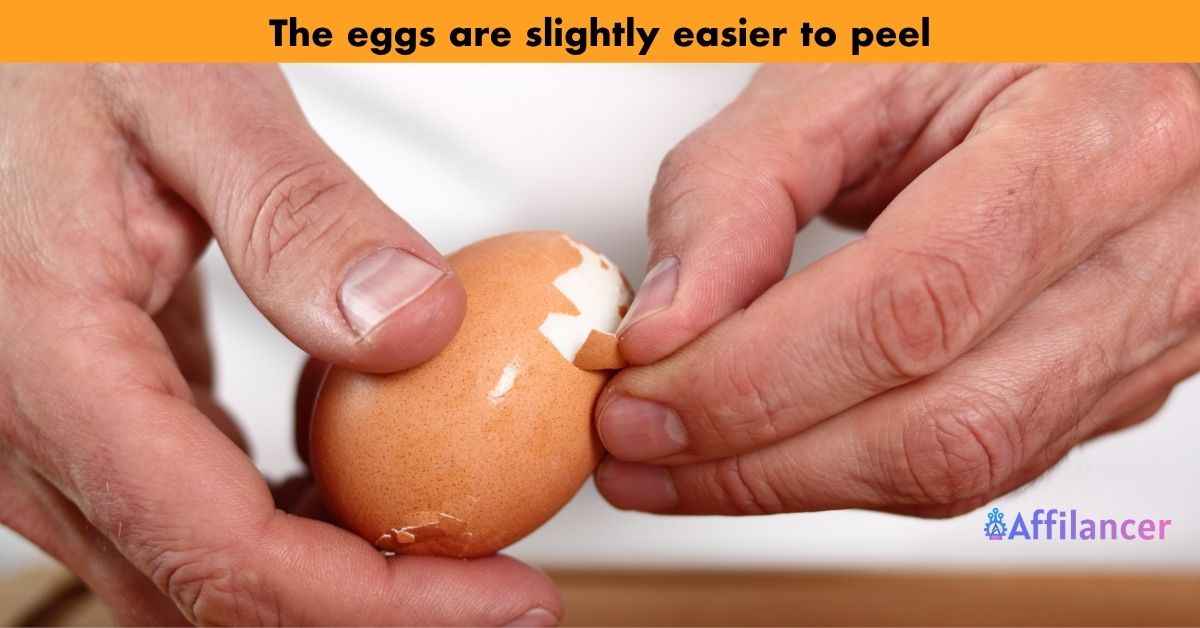
If you choose this route, bring your water to a boil first. Lower the heat to a gentle simmer so the eggs do not bounce around violently and crack. Lower the cold eggs into the water carefully using a slotted spoon.
Cook the eggs at a gentle simmer for these exact times:
-
Soft-boiled: 6 minutes
-
Medium-boiled: 8 minutes
-
Hard-boiled: 11 to 12 minutes
Why the Ice Bath is Mandatory
When my timer goes off, I immediately transfer the eggs from the hot water into a bowl filled with ice and cold water. This is called an ice bath, and it is a non-negotiable step in my recipes.
The ice bath serves two critical purposes:
-
It stops the cooking process instantly. Residual heat inside the egg will keep cooking the yolk even after you remove it from the pot. The ice water prevents overcooking.
-
It makes peeling effortless. The rapid cooling causes the egg inside to shrink slightly, separating it from the shell.
Leave the eggs in the ice bath for at least 10 minutes before you try to peel them.
Tips for Easy Peeling
Even with perfect timing, peeling can sometimes be frustrating. Here are three science-backed tips I rely on to make the job easier:
-
Use older eggs: Fresh eggs from the farm have a lower pH level, which makes the white stick tightly to the inner shell membrane. Eggs that have been in your grocery store refrigerator for a week or two have a higher pH, allowing them to slip out of their shells much more easily.
-
Peel under running water: Crack the egg all over on a flat surface. Gently roll it to loosen the shell, then peel the egg under a thin stream of cool tap water. The water slips under the membrane and helps slide the shell right off.
-
Crack the bottom first: The wider bottom end of the egg contains an air pocket. Starting your peeling process there gives you an easy point of entry without tearing the egg white.
Storage Guidelines
If you are meal prepping, keep the hard-boiled eggs in their shells. Store them in a sealed container in the refrigerator.
According to United States Department of Agriculture (USDA) food safety standards, hard-boiled eggs in the shell will stay fresh for up to 7 days in a refrigerator set at 40°F or colder. Once you peel the eggs, you should eat them within 24 hours for the best quality and safety.