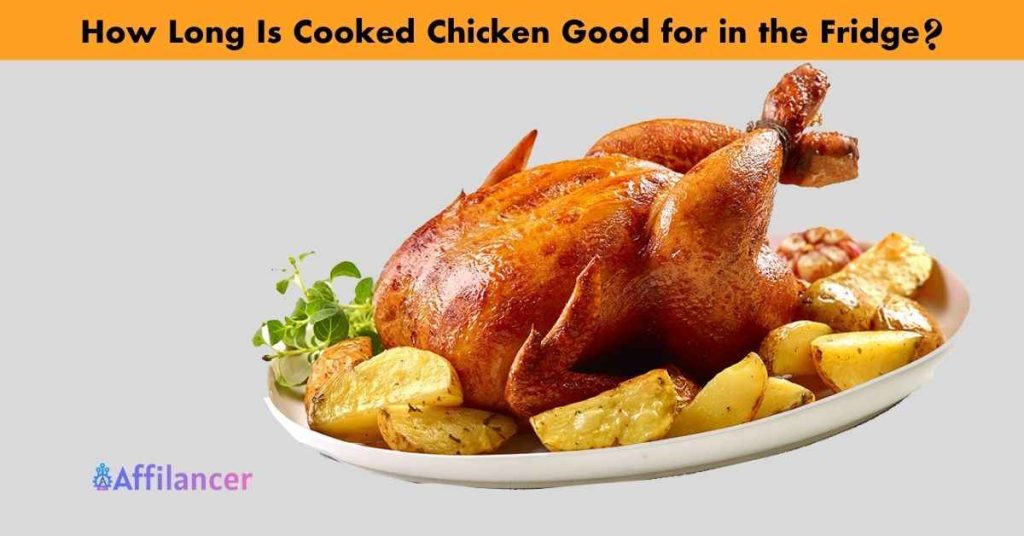
Cooking a big batch of chicken is a fantastic way to save time during a busy week. However, when life gets chaotic, it is incredibly easy to forget exactly how long that container has been sitting in the back of the refrigerator.
If you are wondering whether your leftover chicken is still safe to eat, you are in the right place. As a long-time food safety advocate and kitchen manager, I have spent years helping people handle food properly to avoid preventable illnesses. My name is THOUHIDUL ISLAM, and I want to share the exact rules I use to keep my own family and commercial kitchens safe.
Here is everything you need to know about how long cooked chicken stays fresh, how to store it correctly, and how to spot the signs of spoilage.
How Long Does Cooked Chicken Last in the Fridge?
According to the United States Department of Agriculture (USDA), cooked chicken is safe to keep in the refrigerator for 3 to 4 days.
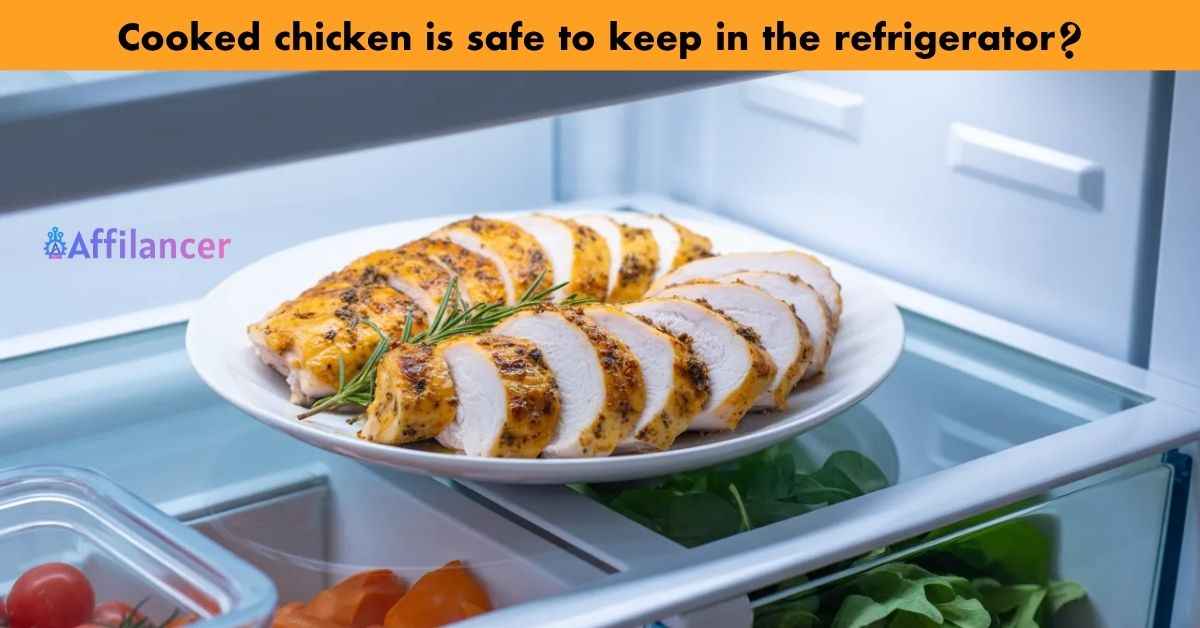
This rule applies to all types of cooked poultry. It does not matter if the chicken is grilled, roasted, fried, or boiled. The timeline also remains the same whether the meat is whole, cut into pieces, or mixed into a complex dish like a soup or casserole.
Cold Storage Timeline for Leftover Chicken
| Chicken Type | Refrigerator Storage (40°F / 4°C or Below) | Freezer Storage (0°F / -18°C or Below) |
| Cooked Chicken Pieces / Breast | 3 to 4 Days | 4 to 6 Months |
| Cooked Chicken Casseroles / Dishes | 3 to 4 Days | 4 to 6 Months |
| Chicken Broth or Gravy | 3 to 4 Days | 2 to 3 Months |
| Chicken Patties or Nuggets | 3 to 4 Days | 1 to 3 Months |
Source: USDA Food Safety and Inspection Service (FSIS)
The Invisible Danger: Why Waiting Too Long Is Risky
A common misconception is that if food looks and smells fine, it must be safe to eat. Unfortunately, this logic can lead to severe food poisoning.
There are two completely different types of bacteria that grow on food:
-
Spoilage Bacteria: This type degrades the quality of the food. It makes leftovers smell sour, turn slimy, or change color. While unpleasant, it is usually not what causes severe illness.
-
Pathogenic Bacteria: This type includes dangerous germs like Salmonella and Campylobacter. These bacteria grow rapidly on leftovers but do not change the smell, taste, or appearance of the meat at all.
The Centers for Disease Control and Prevention (CDC) estimates that roughly one million people in the United States get sick from eating contaminated poultry every single year. In my professional experience, the absolute best way to avoid pathogenic bacteria is strictly enforcing the 4-day rule. If your cooked chicken has been in the fridge for 5 days or more, throw it out—even if it smells perfectly fine.
How to Tell If Cooked Chicken Has Spoiled
While pathogenic bacteria are invisible, spoilage bacteria will eventually manifest. Always inspect your leftovers before eating them. Here are the three unmistakable signs that your cooked chicken has gone bad:
1. The Smell Test
Fresh cooked chicken should only smell like the seasonings you used to prepare it. If you open the container and notice a sour, acidic, or ammonia-like odor, the meat has spoiled and must be discarded.
2. The Visual Check
Look closely at the meat under good lighting. Freshly cooked white meat should look white or light tan, and dark meat should look brown. If you notice a dull gray or greenish tint, or if you see actual gray, black, or green mold spots, discard the food immediately.
3. The Texture Test
Fresh cooked chicken feels firm and relatively dry to the touch. If the meat feels slimy, sticky, or tacky, bacteria have multiplied heavily on the surface. Never taste-test a piece of chicken to check if it is safe.
How to Store Cooked Chicken Correctly
Proper storage keeps your chicken fresh for the full 4 days and maintains its moisture. Here is the step-by-step process I recommend for storing cooked chicken safely:
-
Cool It Fast: Do not let cooked chicken sit out on the counter. Place it in the fridge within 2 hours of cooking. If the room temperature is above 90°F (32°C), refrigerate it within 1 hour.
-
Use Airtight Containers: Store the chicken in shallow glass or plastic airtight containers. Alternatively, wrap it tightly in heavy-duty aluminum foil or plastic storage wrap. This seals out moisture and ambient bacteria.
-
Verify Your Fridge Temperature: Ensure your refrigerator is set to 40°F (4°C) or lower. This specific temperature slows down bacterial reproduction significantly.
-
Label the Date: Place a piece of masking tape on the container and write down the cooking date. This simple step eliminates any guesswork later in the week.
If you know you cannot finish your leftovers within 4 days, freeze them right away. Freezing stops bacterial growth completely. While frozen chicken remains technically safe to eat indefinitely at 0°F, the USDA recommends consuming frozen cooked poultry within 4 to 6 months for the best flavor and texture.
The Right Way to Reheat Leftover Chicken
When you are ready to eat your stored chicken, reheating it properly is your final line of defense.
Always reheat cooked chicken to an internal temperature of 165°F (74°C). I highly recommend using a digital food thermometer inserted into the thickest part of the meat to verify this. If you are using a microwave, cover the dish and stir the food halfway through the cooking time to eliminate any cold spots where bacteria might survive.
Finally, only reheat your chicken once. Pulling the meat out, warming it up, and placing it back into the fridge multiple times creates a prime environment for bacterial contamination.
Final Thoughts
To sum it up, keep your cooked chicken in an airtight container, ensure your fridge is cold enough, and eat or freeze the meat within 3 to 4 days. Whenever you are unsure about the safety of your leftovers, remember the golden rule of food safety: When in doubt, throw it out.