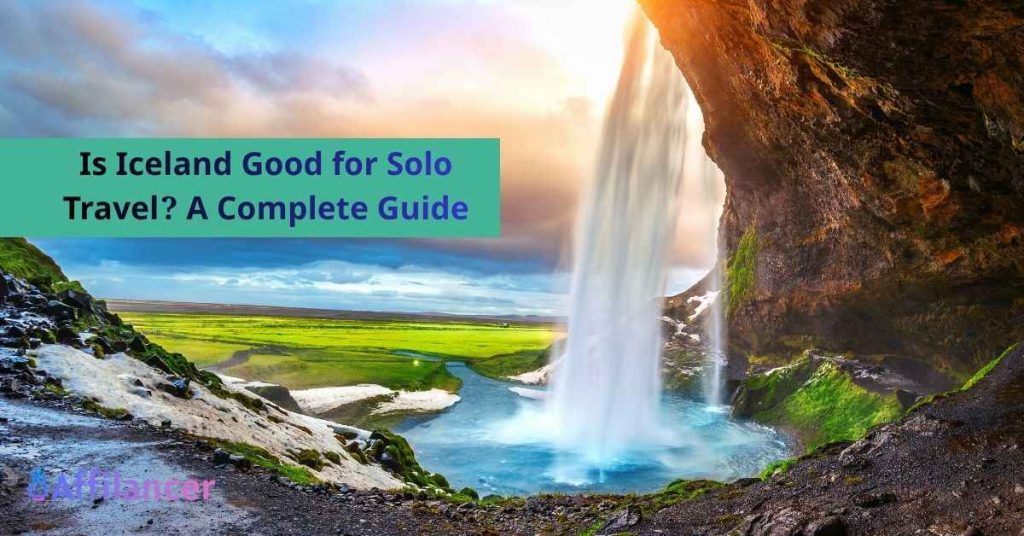
Planning a trip alone can feel intimidating. You have to handle logistics, navigation, and safety all on your own. If you are trying to decide on your next destination, you might wonder: Is Iceland good for solo travel?
My name is Thouhidul Islam. As a traveler who has navigated Iceland’s rugged landscapes alone, I can answer this question directly. Yes, Iceland is an exceptional destination for solo travelers. In fact, it is widely considered the perfect entry point for first-time solo adventurers.
However, exploring this stunning country alone comes with specific rewards and unique challenges. This guide covers everything you need to know to plan a safe, budget-friendly, and unforgettable solo trip.
Why Iceland is Great for Solo Travelers
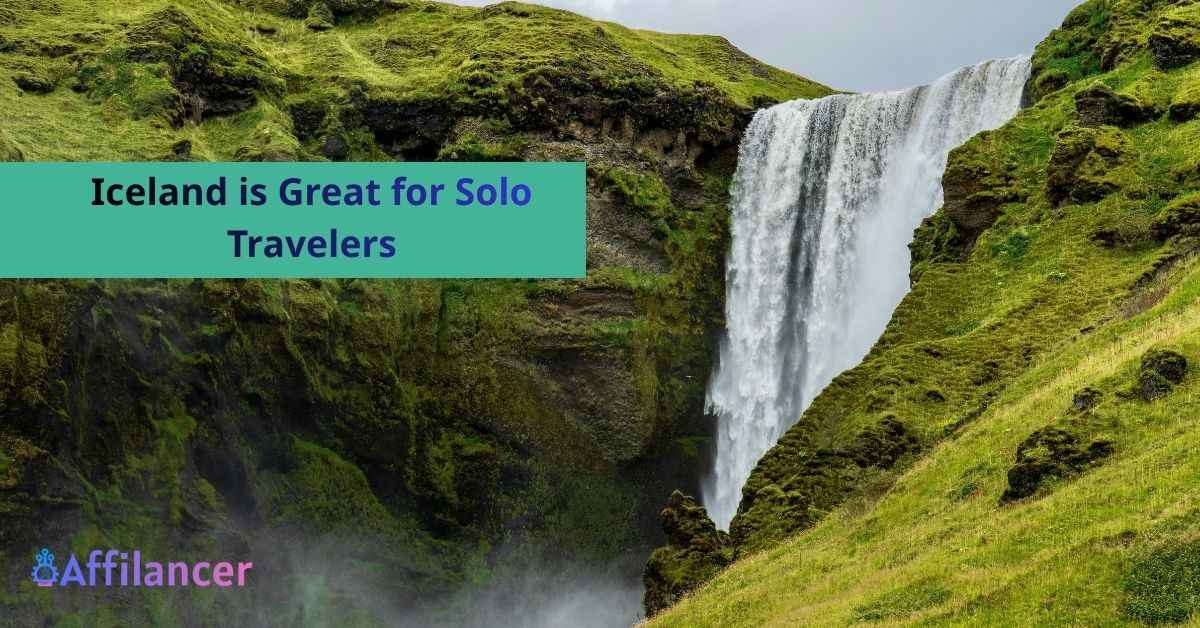
Iceland offers massive advantages for people traveling alone. From personal safety to ease of communication, the country makes solo exploration entirely stress-free.
1. Unmatched Safety
Safety is always the top priority when you travel by yourself. Fortunately, Iceland is incredibly secure. According to the Global Peace Index, Iceland consistently ranks as the safest country in the world—a title it has held since 2008. Violent crime is virtually nonexistent. As a solo traveler, you can walk through the capital city of Reykjavik or explore rural areas at night with complete peace of mind.
2. No Language Barriers
You do not need to learn Icelandic to get around. Nearly the entire local population speaks fluent English. Street signs, menus, and safety notices are also widely available in English. In my experience interacting with locals, I found everyone to be highly approachable, warm, and ready to help with directions or local advice.
3. A Built-In Social Network
Traveling alone does not mean you have to be lonely. Iceland has a thriving network of hostels, campsites, and small-group tours. If you want to meet people, basing yourself in a Reykjavik hostel makes it easy to find hiking partners. Joining a guided glacier hike or a northern lights tour is another excellent way to connect with fellow travelers.
The Real Challenges of Solo Travel in Iceland
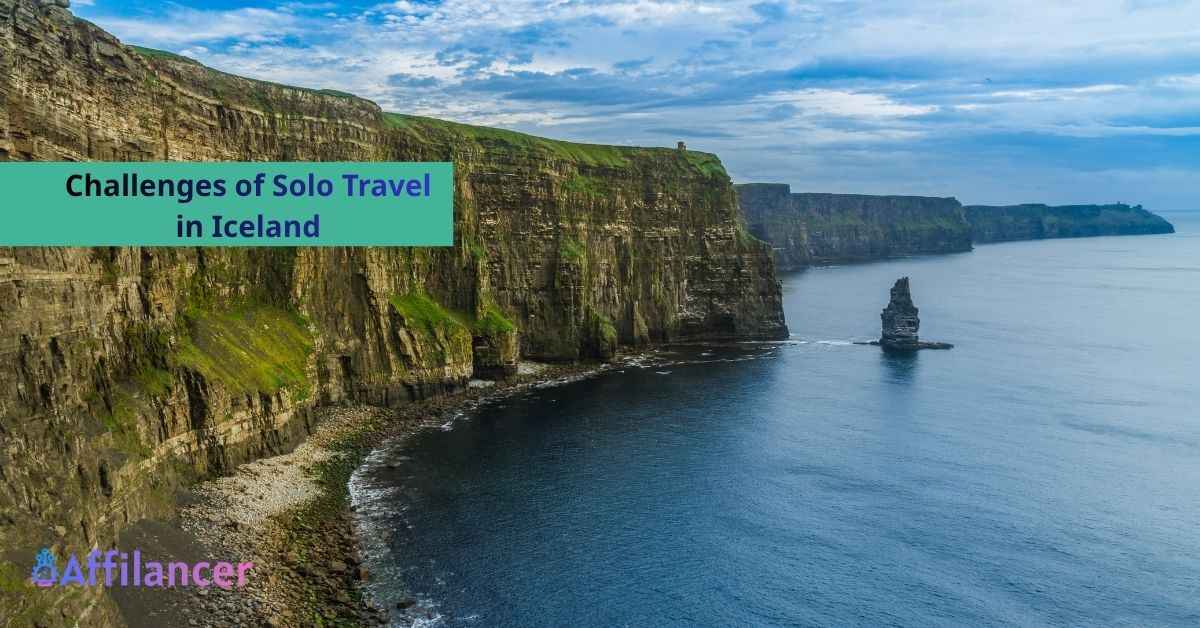
While the country is incredibly safe, it is not without its difficulties. You must prepare for two major hurdles: high costs and unpredictable weather.
1. The Solo Budget Penalty
Iceland is one of the most expensive countries in the world. When you travel alone, you cannot split the cost of car rentals, fuel, or hotel rooms with a partner.
To give you an idea of standard solo expenses, here is a realistic breakdown of what to expect:
| Expense Category | Average Daily Cost (USD) | Budget-Saving Strategy |
| Accommodation | $60 – $250 | Stay in hostel dorms or rent a campervan. |
| Food | $30 – $80 | Buy groceries at local supermarkets; avoid restaurants. |
| Transportation | $80 – $150 | Use public buses or join small-group tours. |
| Activities | $50 – $150 | Focus on free natural sights like waterfalls and beaches. |
2. Extreme Weather and Road Conditions
The biggest danger in Iceland is nature, not people. The weather changes rapidly. You can experience sunshine, driving rain, and heavy winds all within a single hour.
During my journey along the Ring Road, I encountered sudden, violent wind gusts that made steering a massive challenge. For solo drivers, this requires constant alertness because you do not have a passenger to monitor road maps or weather alerts for you.
Important Safety Note: Before heading out each day, you must check the official weather website (Vedur.is) and road safety conditions (Road.is). Always log your travel plan with the Icelandic Search and Rescue team via SafeTravel.is so they know your route in an emergency.
Choosing Your Season: Summer vs. Winter
The time of year you choose will completely reshape your solo experience. Both seasons have distinct pros and cons.
-
Summer (June to August): This season brings the midnight sun, meaning you get nearly 24 hours of daylight. The roads are clear, and all parts of the country are accessible. However, prices peak during these months, and top sights can get crowded.
-
Winter (September to May): Winter offers the chance to see the northern lights and explore blue ice caves. Tourism slows down, making accommodation much cheaper. The downsides are limited daylight, freezing temperatures, and hazardous ice on the roads. If you are not confident driving in heavy snow, stick to guided bus tours during these months.
Practical Tips for Your Solo Adventure
To maximize your time and protect your budget, keep these practical tips in mind:
-
Cook Your Own Meals: Eating out at restaurants can easily cost $40 per meal. I highly recommend shopping at budget grocery chains like Bónus, Krónan, or Nettó. Preparing simple meals in a hostel kitchen will save you hundreds of dollars.
-
Rent a Campervan: A campervan combines your transportation and lodging into one cost. It gives you the freedom to explore at your own pace without needing to book expensive hotels months in advance.
-
Understand Local Road Rules: You cannot turn right on a red light in Iceland. Speed cameras are hidden and strictly enforced. Also, learn how multi-lane roundabouts work before you drive, as the inner lane always has the right of way.
-
Download Offline Maps: Cell coverage can drop unexpectedly in remote fjords. Download Google Maps or an equivalent offline mapping tool before leaving your accommodation.
Final Thoughts
So, is iceland good for solo travel? Absolutely. The country offers a rare combination of raw, dramatic wilderness and absolute safety. It allows you to test your independence without compromising your well-being. By planning your budget carefully and respecting the local weather, you can execute a flawless solo journey.