

Cooking pasta seems simple, but getting it exactly right can be tricky. If you cook it too long, it becomes mushy. If you do not cook it long enough, the center stays hard.
I am Thouhidul Islam, and I have spent years testing different cooking methods in my kitchen to find the perfect balance for pasta. Today, I will share the exact timing and steps you need to cook penne pasta perfectly every single time.

The Short Answer: How Long to Cook Penne Pasta?
On average, dried penne pasta takes 9 to 13 minutes to cook in boiling water. The exact time depends on your preferred texture:
-
Al Dente (Firm to the bite): 9 to 11 minutes.
-
Standard (Soft but not mushy): 11 to 12 minutes.
-
Fully Soft: 13 minutes.
If you are using fresh penne instead of dried, it cooks much faster. Fresh penne only takes 2 to 4 minutes to boil.
Penne Pasta Cooking Times Reference Table
Here is a quick reference table based on my kitchen tests and standard culinary guidelines.
| Pasta Type | Desired Texture | Cooking Time (In Boiling Water) |
| Dried Penne | Al Dente | 9 to 11 minutes |
| Dried Penne | Standard Soft | 11 to 12 minutes |
| Fresh Penne | Tender | 2 to 4 minutes |
| Whole Wheat Penne | Al Dente | 11 to 13 minutes |
My Kitchen Note: Always check the package instructions on your pasta box first. Brands use different thicknesses of wheat, which can alter the cooking time by a minute or two.
Step-by-Step Guide to Cooking Penne Pasta
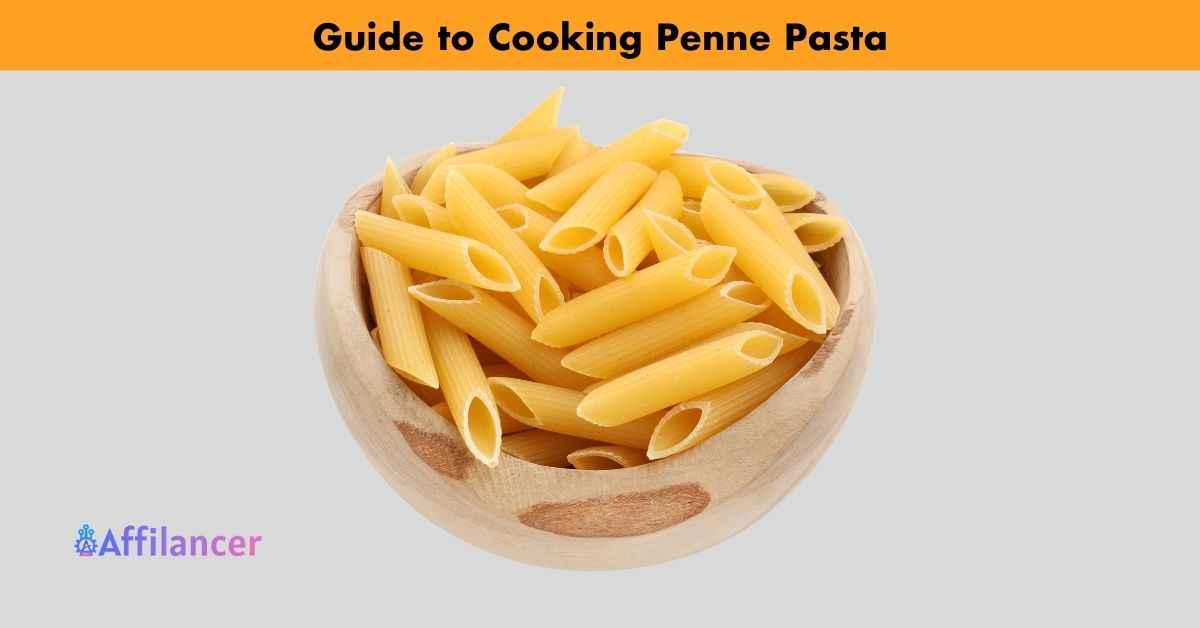
To get the best results, the cooking process matters just as much as the timer. Follow these four steps that I use for consistent results.
1. Use Enough Water
Use 4 quarts of water for every 1 pound of penne pasta. If you use too little water, the pasta releases too much starch into the pot and becomes sticky.
2. Salt the Water Generously
Bring the water to a rolling boil first, then add 1 tablespoon of salt. The salt seasons the pasta from the inside out as the tubes expand.
3. Add the Pasta and Stir Immediately
Drop the penne into the boiling water and stir it right away for about 30 seconds. This stops the tubes from sticking to each other or to the bottom of the pot.
4. Test the Texture Early
Set your kitchen timer for 9 minutes. At the 9-minute mark, fish out one piece of penne with a fork. Let it cool for a moment, then bite into it.
If you see a tiny white dot or ring in the very center of the pasta tube, it needs 1 more minute. If it is tender with a slight resistance, it is perfectly al dente.
Expert Tips for the Best Penne Pasta
Through my experience writing about food and testing recipes, I have learned a few essential rules that make a noticeable difference in the final dish.
-
Do not add oil to the water: Some people add olive oil to the pot to prevent sticking, but I recommend avoiding this. Oil creates a coating on the pasta that prevents your sauce from clinging to it later. Stirring accomplishes the same goal without the oil.
-
Save the pasta water: Before you pour the cooked penne into a colander, scoop out 1 cup of the cloudy pasta water. The starch in this water helps bind your sauce to the penne, creating a smooth, velvety texture.
-
Do not rinse the pasta: Unless you are making a cold pasta salad, do not rinse the cooked penne with cold water. Rinsing removes the surface starch that helps the sauce stick to the pasta.
Frequently Asked Questions
Why does penne pasta take longer to cook than spaghetti?
Penne is a thick, tubular pasta shape. It has more mass and density than thin strands like spaghetti, so it takes a few extra minutes for the boiling water to cook it through to the center.
Should I cover the pot while cooking penne?
Keep the lid on the pot to bring the water to a boil initially. However, once you add the penne, leave the lid off. Leaving the lid on can cause the starchy water to boil over the edges of your pot.
How do I know if penne is overcooked?
Overcooked penne loses its tubular shape, looks bloated, and feels mushy or slimy when you bite it. It will also break apart easily when you toss it with your sauce.