

Choosing the right apparel can completely change your experience on the golf course. A high-quality shirt keeps you cool, allows for free movement, and ensures you meet strict course dress codes. In this PGA Tour Golf Shirts Guide, I will break down everything you need to know to select the best shirt for your game.
When I first began analyzing athletic wear, I noticed that many golfers focus entirely on their clubs and balls. They completely overlook their clothing. However, after spending hours on the course under a hot sun, I learned that your apparel is just as important as your equipment. My name is Thouhidul Islam. My years of experience studying performance apparel have taught me exactly what makes a golf shirt functional. I wrote this guide to help you make an informed choice and stay comfortable on the fairways.
Why a Proper Golf Shirt Matters
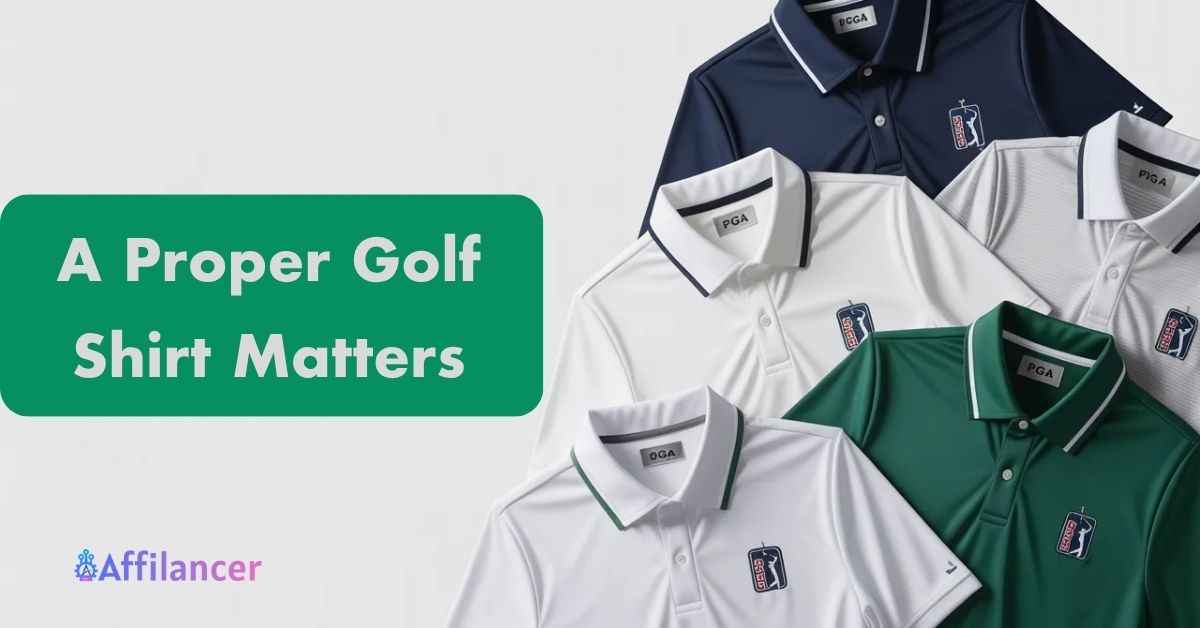
Golf requires a significant amount of physical rotation. A poorly designed shirt will pinch your shoulders, trap sweat, and ruin your swing. A proper golf shirt is tailored specifically for the unique mechanics of the game.
Modern golf courses and country clubs also enforce strict dress codes. These rules maintain the tradition and professionalism of the sport. Wearing the wrong clothing can easily get you turned away from the first tee.
Course Dress Code Standards
Most courses require specific styles for both men and women. Understanding these rules before you shop will save you time and money.
-
Collars: Shirts must feature a traditional collar or a structured stand-up collar.
-
Tucking In: Men are almost always required to keep their shirts tucked into their trousers or shorts.
-
Sleeves: Short sleeves are standard. Long-sleeved performance polos are acceptable for cooler days. Women can often wear sleeveless options, provided the shirt has a collar.
-
No Casual Wear: T-shirts, graphic tees, denim, and tank tops are strictly prohibited.
Core Technologies in PGA Tour Apparel
When you look at official PGA Tour apparel, you will notice specific technology names on the tags. These are not just marketing buzzwords. Based on my research and firsthand evaluations, these fabric features directly impact your comfort during a five-hour round of golf.
AirFlux Mesh Ventilation
AirFlux is a specialized mesh ventilation system woven directly into the fabric. It allows air to circulate freely through the garment. This continuous airflow lowers your body temperature on hot summer days.
Driflux Moisture Wicking
Sweat makes a shirt heavy and causes uncomfortable chafing. Driflux technology pulls moisture away from your skin. It transfers the sweat to the outer surface of the fabric, where it evaporates quickly. This keeps you dry and fresh.
Sunflux UV Protection
Spending a full day on the course exposes you to harmful ultraviolet rays. Many PGA Tour shirts come with built-in Sunflux protection. This feature usually offers UPF 15 to UPF 50+ protection, acting as a reliable shield for your skin.
Easy Care Fabric
Nobody wants to spend hours ironing sports clothing. Easy Care fabric resists wrinkles and shrinking. You can drop the shirt into the washing machine, and it will retain its smooth texture without any extra effort.
Quick Reference: Fabric Technology Summary
| Technology Name | Primary Benefit | Best Used For |
| AirFlux | Maximum breathability and airflow | Hot, humid summer days |
| Driflux | Moisture-wicking and sweat management | Heavy training or long walks |
| Sunflux | Blocks harmful UV rays | Bright, unshaded golf courses |
| Easy Care | Wrinkle resistance and durability | Frequent players and travel |
Material Breakdown: Synthetic vs. Natural Fibers
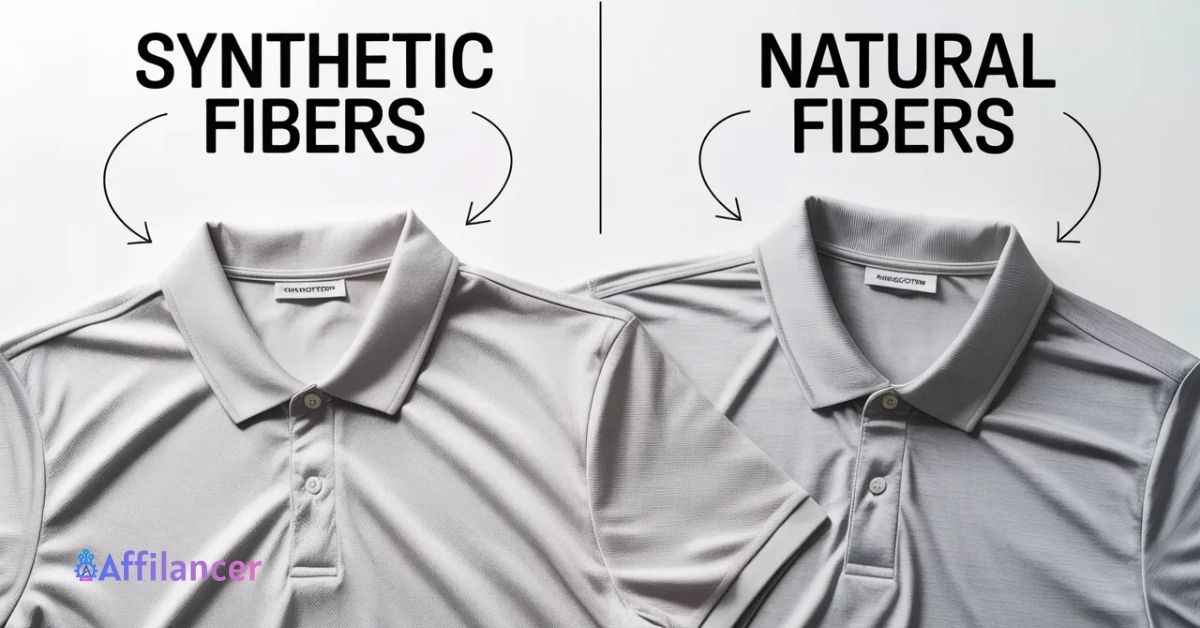
The fabric composition determines how a shirt performs during your swing. In the past, cotton was the standard choice. Today, synthetic blends dominate the market for professional players.
Why Cotton Fails on the Course
Pure cotton is soft, but it absorbs water and holds onto it. When you sweat, a cotton shirt becomes heavy, loses its shape, and sticks to your skin. This extra weight can easily throw off your swing rhythm and cause discomfort.
The Power of Polyester Blends
Most high-performance golf shirts use a blend of polyester and elastane (also known as spandex). A common professional blend is 92% polyester and 8% elastane.
-
Polyester: Provides lightweight durability, retains its color, and dries incredibly fast.
-
Elastane: Adds a true four-way stretch. This elasticity allows your shoulders and torso to rotate fully without any resistance.
My Advice: Always check the inner tag before purchasing. Look for at least 5% to 8% elastane or spandex if you want total freedom of movement during your swing.
How to Find Your Perfect Fit
A golf shirt should look tailored but never feel tight. If a shirt is too loose, excess fabric will bunch up when you address the ball. If it is too tight, it will restrict your backswing.
Classic Fit vs. Slim Fit
-
Classic Fit: This style offers a relaxed cut. It has roomier sleeves and a wider torso. It is ideal for players who prefer traditional comfort, and it stays tucked in easily.
-
Slim Fit: This cut sits much closer to the body. It features shorter sleeves and a tapered waist. It provides a sleek, modern look but requires stretchy fabric to remain comfortable.
Key Fit Areas to Check
-
The Collar: You should be able to button the shirt comfortably without feeling restricted around your neck.
-
The Shoulders: The shoulder seams should align perfectly with the edge of your natural shoulders.
-
The Length: The shirt tail must be long enough to remain tucked into your pants, even after a full, aggressive swing.
Choosing Shirts for Different Weather Conditions
Your choice of shirt should change based on the weather forecast. Staying comfortable allows you to focus on your score rather than the elements.
Hot and Humid Weather
On hot days, prioritize AirFlux and Driflux technologies. Look for lighter colors like white, light blue, or gray. Pale colors reflect solar heat, while dark colors absorb it.
Cool and Windy Weather
For cooler mornings, look for a heavier polyester blend or a long-sleeved performance polo. These shirts trap a thin layer of warm air near your skin while still allowing sweat to escape. They also layer perfectly under a golf vest or windbreaker.
Style, Colors, and Patterns
Looking professional builds personal confidence. The way you dress can directly affect your mental game on the course.
Solid Colors
Solid colors like navy blue, black, white, and gray are timeless essentials. They are easy to match with any golf pants or shorts. Every golfer should own at least three solid-colored shirts as the foundation of their wardrobe.
Patterns and Prints
Modern golf fashion welcomes subtle patterns. Stripes, heathered textures, and micro-prints are highly popular on the tour. Avoid overly bright, chaotic patterns that might distract your playing partners.
Care and Maintenance Tips
High-performance fabrics require proper care to maintain their technical qualities. Incorrect washing can destroy the stretch fibers and ruin the moisture-wicking coatings.
-
Wash in Cold Water: Always use cold water on a gentle cycle. Hot water breaks down elastane over time.
-
Avoid Fabric Softeners: Fabric softeners leave a thin layer of wax on the fabric. This layer clogs the mesh ventilation and stops the moisture-wicking process.
-
Tumble Dry Low: Air drying is best. If you must use a dryer, set it to low heat. High heat causes synthetic fibers to shrink and warp.
-
Do Not Iron Logos: If your shirt has an embroidered or screen-printed PGA Tour logo, never run a hot iron directly over it.
Can I wear a regular lifestyle polo shirt for golf?
Yes, you can wear a regular lifestyle polo if it has a proper collar. However, lifestyle polos are often made of pure cotton. They do not handle sweat or movement as well as a dedicated performance golf shirt.
What does UPF mean on a golf shirt?
UPF stands for Ultraviolet Protection Factor. It measures how much UV radiation can pass through the fabric. For example, a UPF 50 shirt blocks 98 percent of the sun’s rays, protecting your skin from sunburn.
How many buttons should a golf shirt have?
Most standard golf shirts feature a three-button placket. Some modern designs use a two-button placket or even a zipper for a minimalist appearance. All of these options are acceptable on the course.
Why do golf shirts have side vents?
The small slits at the bottom hem of the shirt are called side vents. They give the shirt extra flexibility around your hips. This helps the shirt stay tucked in when you twist your body during a swing.
Conclusion
Choosing the right shirt is an investment in your comfort and your scorecard. By focusing on advanced fabric technologies like AirFlux and Driflux, you ensure that external conditions will not hurt your focus.
Remember to balance performance with style. Stick to your preferred fit, respect the course dress code, and care for your garments correctly. With the right apparel, you can walk onto any first tee with complete confidence.
References:
-
PGA TOUR Apparel Design and Technology Specifications.
-
Textile Science Reports on Synthetic Performance Blends.
-
Country Club and Professional Golf Association Dress Code Guidelines.