Managing leftovers is a common part of modern life. We often order more than we can eat, leading to a fridge full of those iconic takeout boxes. If you are wondering how long is Chinese food good for in the fridge, the short answer is usually three to four days. However, the real answer depends on the specific ingredients in your dish.
To help you get the most out of your leftovers while staying safe, I have put together this comprehensive guide. We will explore storage times for different dishes, the best ways to maintain freshness, and the scientific reasons why timing matters.
The General Rule for Chinese Food Leftovers
According to health experts and the USDA, most cooked leftovers stay safe in the refrigerator for three to four days. This timeframe applies to almost all common types of Chinese takeout, from General Tso’s chicken to vegetable lo mein.
While the food might look and smell fine on day five or six, the risk of food poisoning increases significantly after the fourth day. Bacteria like Listeria and Salmonella can grow even in the cold environment of a refrigerator. The danger is that these bacteria often do not change the smell, taste, or appearance of the food. You could eat something that looks perfect but still get sick.
Storage Time by Dish Type
Not all Chinese dishes are created equal. Some ingredients spoil much faster than others. For example, a dish heavy in seafood will have a shorter shelf life than a simple plate of fried noodles. Here is a detailed breakdown:
| Dish Type | Fridge Life (Days) | Best Storage Tip |
| Rice & Noodles | 3–4 Days | Keep in airtight containers to prevent drying out. |
| Chicken, Beef, & Pork | 3–4 Days | Ensure sauce covers the meat to keep it moist. |
| Seafood (Shrimp/Fish) | 1–2 Days | Seafood spoils quickly; prioritize eating these first. |
| Vegetable Stir-fry | 3–5 Days | Veggies last longer but can become soggy quickly. |
| Fried Items (Egg Rolls) | 2–3 Days | Texture degrades fast; reheat in an air fryer for crunch. |
| Soups (Wonton/Hot & Sour) | 3–4 Days | Store in a deep container with a tight-sealing lid. |
| Tofu Dishes | 2–3 Days | Tofu absorbs moisture and can spoil faster than veggies. |
Why Timing Matters: The Science of Food Spoilage
Understanding why food goes bad helps you make better decisions for your health. When food is cooked, the heat kills most harmful bacteria. However, once the food begins to cool down, it enters what scientists call the “Danger Zone.”
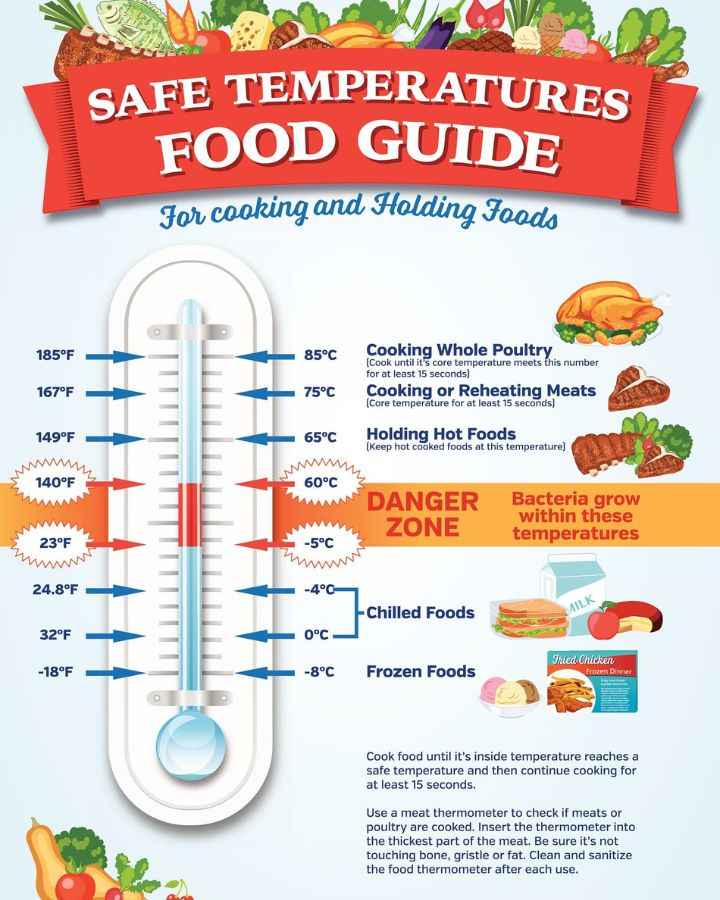
The Danger Zone is the temperature range between 40°F and 140°F. In this environment, bacteria can double in number every 20 minutes. If your takeout sits on the counter while you watch a movie, it is slowly becoming a playground for germs.
The Two-Hour Rule
You should never leave Chinese food at room temperature for more than two hours. If the weather is hot (above 90°F), that safety window drops to just one hour. The faster you get your leftovers into the fridge, the longer they will stay safe. Cooling food quickly stops bacteria from multiplying.
The “Fried Rice Syndrome”
There is a specific risk associated with rice known as “Fried Rice Syndrome.” This is caused by a bacterium called Bacillus cereus. This organism is commonly found in soil and can contaminate raw rice.
Interestingly, cooking the rice does not always kill the spores of this bacteria. If cooked rice is left at room temperature, these spores can grow into bacteria that produce toxins. These toxins are heat-resistant, meaning even reheating the rice won’t make it safe. To avoid this, always refrigerate your rice immediately after your meal.
How to Store Your Chinese Food Properly
How you store your food is just as important as how long you keep it. Many people simply toss the cardboard takeout boxes directly into the fridge. While this is convenient, it is not the best practice for food safety or quality.
1. Ditch the Cardboard Box
Those white or red folding boxes are iconic, but they are not airtight. Air is the enemy of freshness. It makes rice hard and allows odors from other foods in the fridge to seep into your meal. Instead, transfer your food to airtight glass or plastic containers.
2. Choose the Right Material
Glass containers are often better for Chinese food because they do not absorb oils or strong smells like garlic and ginger. If you use plastic, make sure it is BPA-free and microwave-safe if you plan on reheating the food in the same dish.
3. Use Shallow Containers
If you have a large portion of food, like a family-sized order of Chow Mein, divide it into several shallow containers. Large, deep containers take longer to cool down in the middle. Shallow containers allow the food to reach a safe temperature much faster, which prevents bacterial growth in the center of the pile.
4. The “Fridge Door” Warning
Never store your leftovers in the door of the refrigerator. The door is the warmest part of the fridge because it is opened and closed frequently. Keep your Chinese food on the middle or bottom shelves where the temperature is most consistent.
How to Tell if Chinese Food has Gone Bad
If you are past the four-day mark, it is best to be cautious. However, even within the safe window, food can spoil if it wasn’t handled correctly. Use your senses to check for these red flags:
-
The Smell Test: If the food smells sour, fermented, or “funky,” throw it away. Freshly cooked Chinese food should have a savory, pleasant aroma.
-
The Texture Check: Look for sliminess. This is very common in meat, noodles, and tofu dishes. If the sauce has turned into a thick, sticky slime, it is a clear sign of bacterial activity.
-
The Visual Inspection: Look for mold. It might appear as fuzzy white, green, or black spots. Also, check if the vegetables have turned grey or if the rice has developed a strange yellowish tint.
-
The “When in Doubt” Rule: If you cannot remember when you ordered the food, or if something just feels “off,” do not taste it. A single bite of spoiled food can be enough to cause illness.
Pro Tips for Reheating Leftovers
Knowing how long is Chinese food good for in the fridge is only half the battle. You also want it to taste as good as it did the first night. Microwave reheating often results in soggy noodles or rubbery meat. Try these professional methods instead:
The Skillet Method (Best for Rice and Noodles)
Heat a non-stick skillet over medium heat with a tiny bit of oil or a splash of water. Add your rice or noodles and stir frequently. This helps restore the texture and prevents the rice from staying hard in the middle. The steam from the water will help soften the grains.
The Oven or Air Fryer (Best for Fried Items)
Items like egg rolls, crab rangoon, and sweet and sour chicken lose their crunch in the fridge. To get that crispiness back, put them in an air fryer at 350°F for about 3 to 5 minutes. If you do not have an air fryer, a toaster oven or a regular oven works well. Avoid the microwave for fried foods, as it will make them soggy.
The Microwave Hack
If you are in a hurry and must use a microwave, place a damp paper towel over the plate. This creates a steam chamber, which keeps the meat tender and prevents the rice from drying out. Use 30-second intervals and stir in between to ensure even heating.
Reheat to a Safe Temperature
Regardless of the method you choose, the internal temperature should reach 165°F. You can use a food thermometer to be sure. This temperature is high enough to destroy most bacteria that may have started to develop.
Can You Freeze Leftover Chinese Food?
If you realize you won’t finish your leftovers within four days, the freezer is an excellent option. Most Chinese dishes freeze surprisingly well if handled correctly.
-
How long it lasts: Frozen Chinese food is safe to eat for two to three months. After that, it is still safe, but the quality and flavor will begin to fade.
-
How to freeze: Use freezer-safe bags or containers. Squeeze out as much air as possible to prevent “freezer burn,” which can ruin the texture of meat.
-
What NOT to freeze: Avoid freezing dishes that have heavy cream or very delicate vegetables like lettuce or cucumber stir-fry. These will become mushy once thawed. Fried foods also lose their appeal in the freezer, though they can be “saved” somewhat by an air fryer later.
Is Chinese food good after 5 days?
Most health organizations, including the USDA, recommend a limit of four days. While the food might still be edible, the risk of foodborne illness increases every hour after that. It is always better to be safe and discard it.
Can I eat cold Chinese food?
Yes, as long as it was stored properly and is within the 3–4 day window. Cold lo mein or chicken is a favorite for many. However, reheating it to 165°F is technically the safest option.
Why does Chinese food make me feel sick the next day?
This could be a mild case of food poisoning if the food sat out too long. However, it can also be a reaction to high sodium levels or specific ingredients like MSG. Staying hydrated can help if it is just a salt-related issue.
Can you get food poisoning from 2-day-old Chinese food?
Yes, if the food sat at room temperature for several hours before going into the fridge. Bacteria grow quickly, so the “age” of the food starts the moment it is cooked, not the moment it is refrigerated.
Summary of Key Takeaways
To keep your meals safe and delicious, keep these main points in mind:
-
Follow the 4-Day Rule: Most dishes are safe for 3 to 4 days.
-
Seafood is Sensitive: Eat shrimp or fish dishes within 1 to 2 days.
-
Refrigerate Fast: Get your leftovers in the fridge within two hours.
-
Airtight is Right: Use glass or plastic containers with tight lids.
-
Heat it Thoroughly: Reheat food to 165°F before eating.
By following these simple guidelines, you can enjoy your favorite Chinese meals twice without any health risks. Taking a few extra minutes to store your food correctly will save you from waste and keep your kitchen safe!